What PTSD from war actually looks like, and what treatment can change
Almost every veteran I work with has heard the term PTSD long before they ever sat down with a therapist. Fewer have had someone actually walk them through what it is, why it develops, and what real treatment looks like once the paperwork and the acronyms are set aside. I want to do that here, plainly and without the clinical distance that so much of this information gets written with.
In case you are new here, I am Richard De La Garza, offering therapy for veterans and helping veterans and military connected individuals navigate the transition from survival to leadership with dialogue centered, trauma informed care. I approach this both as a clinician and as someone who served, because too much of what gets written about war related PTSD is either overly clinical and hard to relate to, or overly simplified into a slogan about strength and resilience that skips past the actual mechanics of what is happening in a person's body and mind.
What PTSD from war actually is
PTSD that develops from war is a response to experiencing or witnessing life-threatening events during combat or deployment. It is not a character flaw and it is not a sign of weakness. It is what a nervous system does when it has been asked to stay on high alert for survival, sometimes for months or years, and has not yet learned how to come back down.
The four categories most people never hear explained clearly
Clinically, war-related PTSD symptoms usually fall into four categories. Intrusion means reliving the trauma through flashbacks or nightmares. Avoidance means staying away from people, places, or conversations that bring the memory back. Negative changes in mood or thinking include guilt, shame, and emotional numbness. Hyperarousal means constantly being on guard, easily startled, and struggling to sleep or concentrate. Most veterans recognize themselves in at least one of these categories long before they ever hear the clinical language for it, often describing the experience for years using their own private words before a diagnosis gives it a shared name.
Combat is the most recognized cause, but not the only one
People often assume PTSD only develops from direct firefights. In reality, it can also develop from witnessing mass casualties, from military sexual trauma, or from severe training accidents. Longer deployments, multiple tours, and a lack of support during or after service all increase the risk. None of these causes are more or less legitimate than the others, and I have worked with veterans who spent years minimizing their own experience because it did not match the version of combat trauma they had seen depicted in movies.
Why PTSD from war does not simply fade with time
One of the most damaging myths I encounter is the idea that time alone heals this. Time can dull the edges, but without treatment, the underlying nervous system pattern usually stays in place indefinitely, sometimes for decades, quietly shaping decisions the person themselves may never connect back to their service.
The body keeps operating in survival mode
A nervous system shaped by combat learns to treat ordinary stress the same way it once treated genuine danger. That means a car backfiring, a crowded room, or even a minor disagreement can trigger the same physiological alarm that once kept someone alive in a war zone. This is not something a person can simply decide to stop doing.
Untreated symptoms tend to reorganize a person's whole life
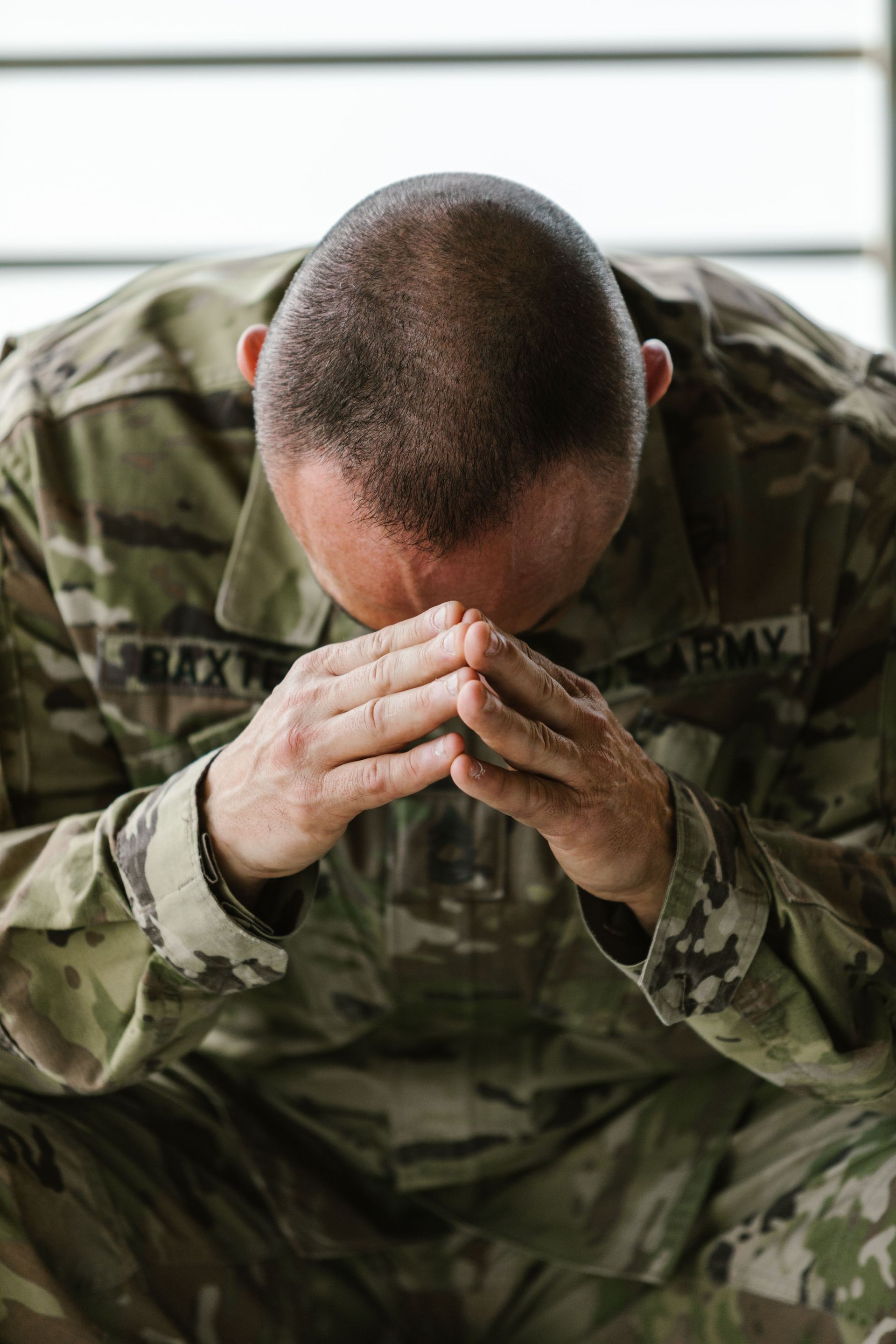
Left unaddressed, PTSD symptoms often start shaping decisions far outside the original trauma. Someone might avoid certain jobs, relationships, or social settings without fully realizing the avoidance traces back to combat experience. The trauma stops being an event in the past and becomes an invisible architecture for daily choices.
Relationships often absorb the impact first
Spouses, children, and close friends are frequently the first to notice the effects of untreated war trauma, sometimes long before the veteran themselves recognizes what is happening. Irritability, emotional distance, or a hair trigger temper can look like a personality change to the people closest to someone, when it is actually an unaddressed symptom asking for attention. When a partner is carrying this too, a resource built specifically for them, like therapy for military spouses, can make room for their side of it instead of leaving them to manage it silently.
What effective treatment for PTSD from war actually involves
Good treatment does not ask a veteran to simply talk about the worst day of their life on repeat. It is more structured, more collaborative, and more focused on rebuilding a sense of safety in the present than most people expect.
Naming what happened without being consumed by it
Following a Freirean dialogue based approach, treatment starts by naming what actually happened clearly and honestly, without minimizing it and without letting it become the only thing that defines a person. That distinction matters more than it sounds like it should, because many veterans have spent years either suppressing the memory entirely or letting it quietly become the central fact of their identity, and neither extreme allows for much of a life beyond it.
Rebuilding a nervous system's sense of safety
Much of the actual clinical work involves helping the body relearn what safety feels like in ordinary, present-day situations. This is slower and more embodied than most people expect from talk therapy, and it is often the piece that makes the biggest difference in daily functioning. Clients are sometimes surprised to find that noticing their own breathing or physical tension is as much a part of this work as talking through the events themselves. Some clients find body-based approaches, like therapeutic horseback riding, offer another way into that same nervous system work alongside traditional talk therapy.
Translating insight into daily practice
Insight alone rarely changes behavior. I help clients build small, repeatable practices, ways of noticing an activated nervous system in the moment and having a concrete response ready, rather than leaving the insight to fade once the session ends.
Working at a pace the client can actually sustain
Trauma treatment done too fast can retraumatize rather than heal. I move at a pace set by what the client's nervous system can actually tolerate in a given week, not a fixed program timeline, because pushing past what someone can genuinely handle tends to produce avoidance of therapy itself, not just avoidance of the original trauma.
What recovery from war PTSD tends to look like
Recovery is rarely a straight line, and it does not usually mean the memories disappear. It means the memories stop running the show, and the daily decisions a person makes start coming from their own values again instead of from an old, unspoken alarm system.
Fewer moments hijacked by the past
Clients describe recovery less as forgetting and more as noticing fewer moments where the past suddenly takes over the present without warning. The memory is still there. Its grip loosens, and the person underneath the years of hypervigilance has more room to actually show up in their own life.
Calm as the foundation, not the finish line
I frame calm as the foundation for everything else, not the end goal itself. Once a client has some reliable calm to work from, the deeper questions about identity, purpose, and leadership after service become possible to address.
Relationships often recover alongside the individual
As a client's own symptoms settle, the people closest to them frequently notice the shift before the client fully trusts it themselves. Partners describe getting back a version of someone they had not seen in years. That ripple effect is rarely the primary goal of treatment, but it is one of the most meaningful signs that the work is actually taking hold.
How this work connects to leadership after service
My approach to trauma therapy treats the trauma directly, without pretending it away, while also holding space for who this person wants to become on the other side of it. Recovery and leadership are not separate goals in my practice. They are the same goal, seen from two angles, and I do not ask a client to choose between processing what happened and building the life they actually want ahead of them.
Ready to stop carrying this by yourself
If you recognize yourself in any part of what has been described here, that recognition is worth taking seriously rather than pushing aside. PTSD from war is treatable, and waiting does not usually make it easier to address. Many veterans wish, looking back, that they had started this work years earlier instead of waiting for a breaking point.
I help veterans work through the trauma directly using an approach built on dialogue, consistency, and respect for what this experience actually cost. My trauma therapy practice is built specifically around military and combat related experience, not adapted from a general framework after the fact.
Some veterans wait until a marriage is at a breaking point, or a job is genuinely in jeopardy, before addressing symptoms they have carried for years. You do not need to wait for that level of urgency. Addressing this earlier, before it costs you something you cannot easily get back, tends to make the work faster and less painful than waiting until the situation becomes an emergency.
I work with clients in and around San Diego, Los Angeles, and San Marcos, and virtually as well, and I am glad to talk through what you are carrying before we decide together what treatment should look like. Book your consultation today.
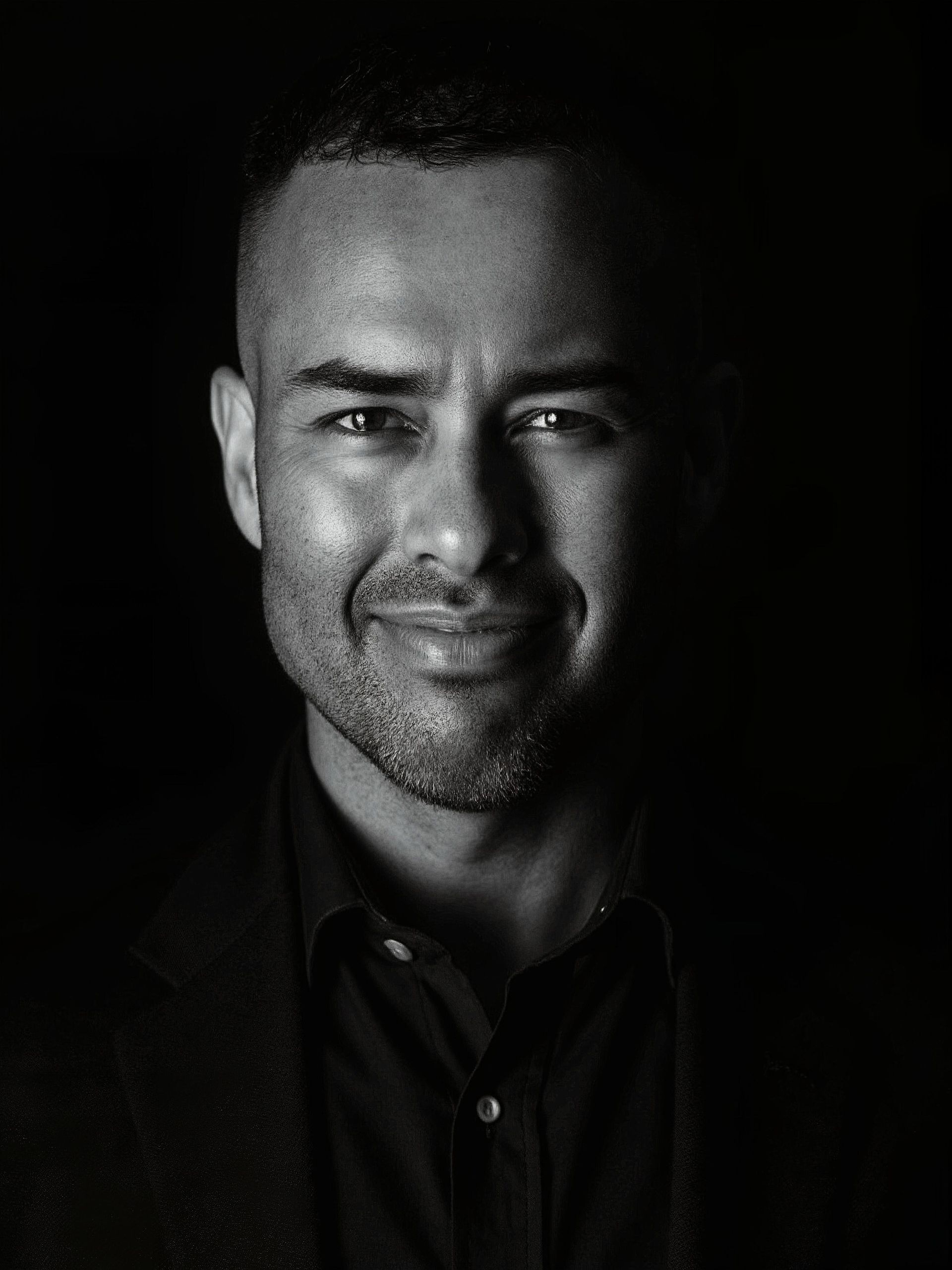
Hi, I’m Dr. Richard de la Garza
I specialize in liberation-rooted support for veterans, military-connected individuals and families, with a particular commitment to BIPOC and LGBTQ communities.