What life transition counseling looks like for veterans and military families
Every therapist who works with life transitions will tell you the same basic truth: change is hard even when it is good change, and even when everyone around you keeps saying you should feel relieved. What gets missed, especially for veterans and military connected individuals, is that the transitions they face rarely arrive one at a time. Leaving service, changing careers, moving cities, and renegotiating a marriage often collide within the same eighteen-month window, and generic life transition counseling is not always built for that kind of stacked change.
In case you are new here, I am Richard De La Garza, offering therapy for veterans and helping veterans and military connected individuals navigate the transition from survival to leadership with dialogue centered, trauma informed care. Much of what I describe here comes directly from my own transition out of service, not only from research or clinical training, which is part of why clients tell me this feels different from generic advice they have read elsewhere.
What counts as a life transition in counseling
Life transition counseling covers the full range of major changes a person moves through: a career shift, a move, a divorce, becoming a parent, an illness or recovery, retirement, or the end of a significant chapter of identity. Any of these can destabilize a person even when the change itself was chosen and wanted.
Why transitions are hard even when they are good
A transition disrupts a person's sense of predictability, and predictability is what most people rely on to feel safe. Even a transition toward something better, like a promotion or a long awaited move, removes familiar routines and forces a person to rebuild their sense of who they are in a new context. That disruption is real, whether or not the change was your choice, and dismissing it because the change was technically positive only adds a layer of confusion on top of an already difficult adjustment.
Why military connected transitions often stack on top of each other
For a veteran, leaving service is almost never a single transition. It usually comes bundled with a career change, a move, sometimes a marriage under new strain, and often a shift in daily structure that used to be provided by the military itself. Standard life transition counseling, built around a single change at a time, can miss how much is actually happening at once.
The specific transitions I see most often
Working primarily with veterans and military connected individuals, a handful of transition patterns show up again and again, often overlapping in ways that make it hard for a client to name which piece of the change is actually causing the most distress. My clients are often BIPOC or LGBTQ veterans and military spouses, and the systemic pressures they carry, culture, identity, and history, are as much a part of the transition as the individual circumstances.
The identity gap after leaving service
Many veterans describe feeling like they lost a version of themselves the day they took off the uniform, without gaining a clear replacement identity to step into. That gap is disorienting in a way that generic career coaching rarely addresses, because a new job title does not automatically fill an identity that was built around service, mission, and rank for years.
Marriages and families adjusting to a different rhythm
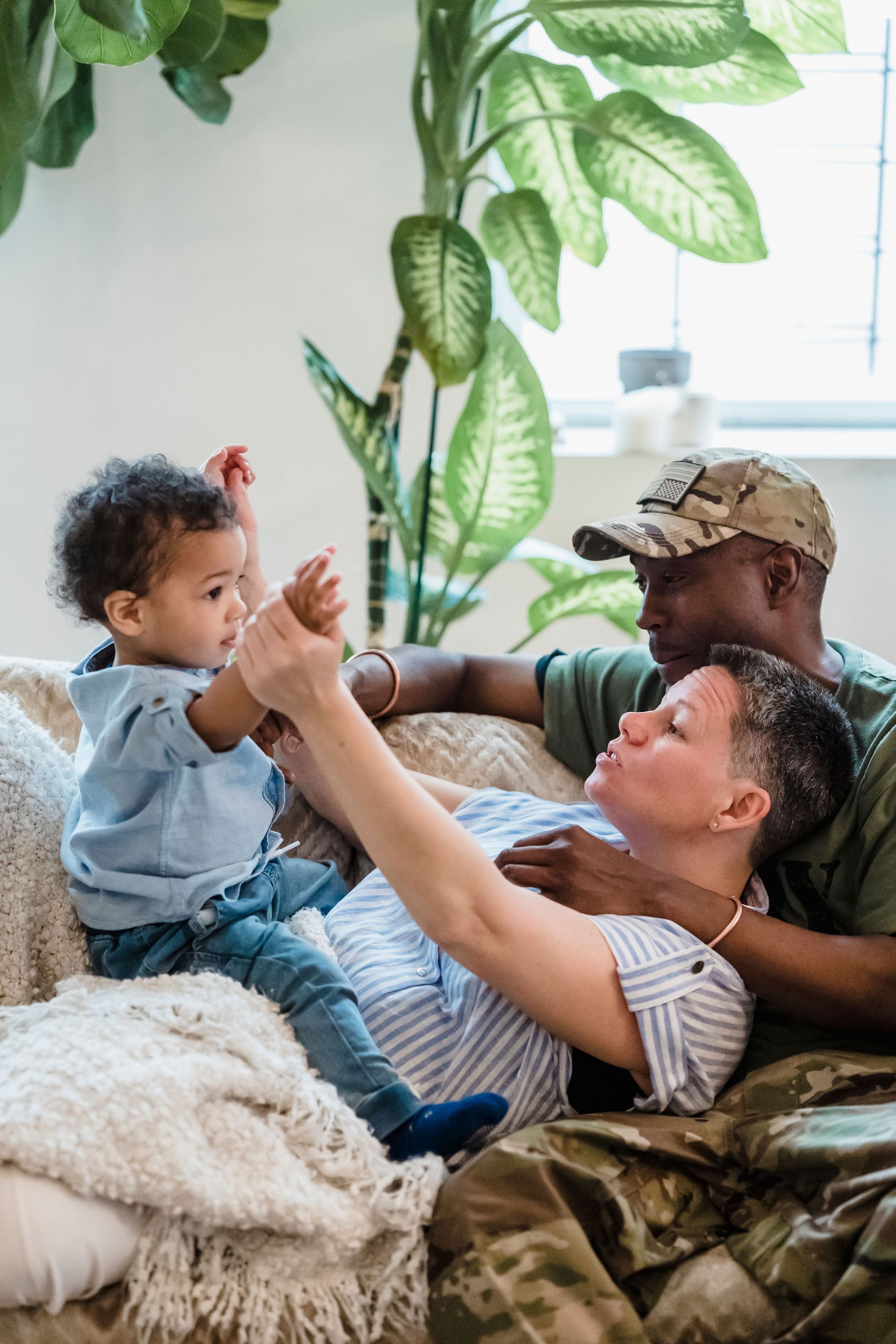
Military families often organize their entire household rhythm around deployment cycles, structure, and rank-based routines. When that structure disappears, couples sometimes discover they built their relationship around circumstances rather than around each other, and the transition forces a harder, more honest renegotiation. This does not mean the relationship was never real. It often means the relationship simply has not had to operate without external structure holding parts of it together, and learning to do that takes time and honest conversation.
Neurodivergence surfacing later in life
Some of my clients are diagnosed with a learning difference or neurodivergent trait well into adulthood, sometimes during this same transition period, the way my own diagnosis reframed years of self-blame into a clearer understanding of how my mind actually works. That diagnosis can reframe years of self-blame into a clearer understanding of how someone's mind actually works, but only if it happens alongside real support, not in isolation.
The transition into a caregiving or parenting role
Some clients transition out of service directly into a much larger caregiving role at home, whether that means a new baby, an aging parent, or a spouse who has been holding the household together alone for years and now needs support in return. Stepping into that role at the same time as processing a military identity shift is its own distinct transition, and it deserves its own attention rather than getting folded quietly into the career conversation.
Why calm has to come before strategy
A core principle I return to constantly is that calm comes first, alignment comes next, and leadership comes after both. Transition counseling that jumps straight to strategy without stabilizing the nervous system first tends to fail.
Stabilizing before planning
A person in a heightened stress state cannot make good long-term decisions. Before we build any transition plan, I work on stabilizing the day-to-day experience, whether that means sleep, routine, or simply a predictable weekly rhythm the client can rely on.
Dialogue instead of a prescribed roadmap
I do not hand clients a generic transition roadmap and expect it to fit their life. Following Paulo Freire's model of praxis, we name what is actually happening together, imagine what the next chapter could look like, and build the plan collaboratively rather than from a template. That collaboration matters especially for veterans, who have often spent years following plans built by someone else and are relearning what it feels like to co-author a decision.
Small, consistent steps over big life overhauls
Transitions tempt people into overhauling everything at once. I push against that instinct and help clients identify the smallest, most sustainable next step, because consistency during a transition matters more than intensity.
Making room for grief alongside relief
Even a wanted transition, like leaving a difficult assignment or finally settling into civilian life, can carry real grief alongside the relief. Clients sometimes feel guilty admitting they miss parts of a chapter they were desperate to leave. I make space for both feelings at once rather than asking someone to pick a single, simpler emotion to feel about a genuinely complicated change.
How this connects to the bigger picture of transition
Career is often the visible piece of a bigger transition. Clients often come to me asking specifically about career, only to discover the career question is one piece of a much larger life transition already underway. That is exactly the territory covered in military transition counseling, which looks at the whole picture rather than isolating the job search from everything else shifting at the same time. It is common for someone to come in wanting help with a resume and leave several sessions later realizing the resume was never really the hardest part of what they were facing.
When a transition surfaces older, unresolved material
Sometimes a life transition brings older trauma to the surface that was manageable while the structure of military life kept it contained. When that happens, I address the underlying trauma directly rather than treating the transition as a standalone issue.
Helping the whole family navigate the change together
A veteran's transition rarely happens in isolation from the people who live with them. Spouses and children are adjusting to a different version of daily life at the same time, often without any support of their own. That is exactly where a resource like therapy for military spouses can offer its own dedicated space, running alongside the individual work happening in our sessions. When it makes sense, I also bring family members into part of the conversation directly, because a transition plan built around one person while everyone else in the household is left out tends to create new friction even as it solves the original problem.
Ready to feel steady again, no matter how much is changing
If you are in the middle of a transition that feels bigger than any single piece of it, career, identity, relationship, or all three at once, that feeling of being overwhelmed by simultaneous change is real, and it deserves more than generic advice.
Transitions rarely resolve on the schedule anyone expects. I revisit the plan regularly as new pieces of the picture become clear, rather than treating the first version of a plan as the final word on what this chapter of life requires.
I work with clients in and around San Diego, San Marcos, and Los Angeles, and virtually as well, and I am glad to talk through what this particular season of change looks like for you before we decide together where to start. Book your consultation today.
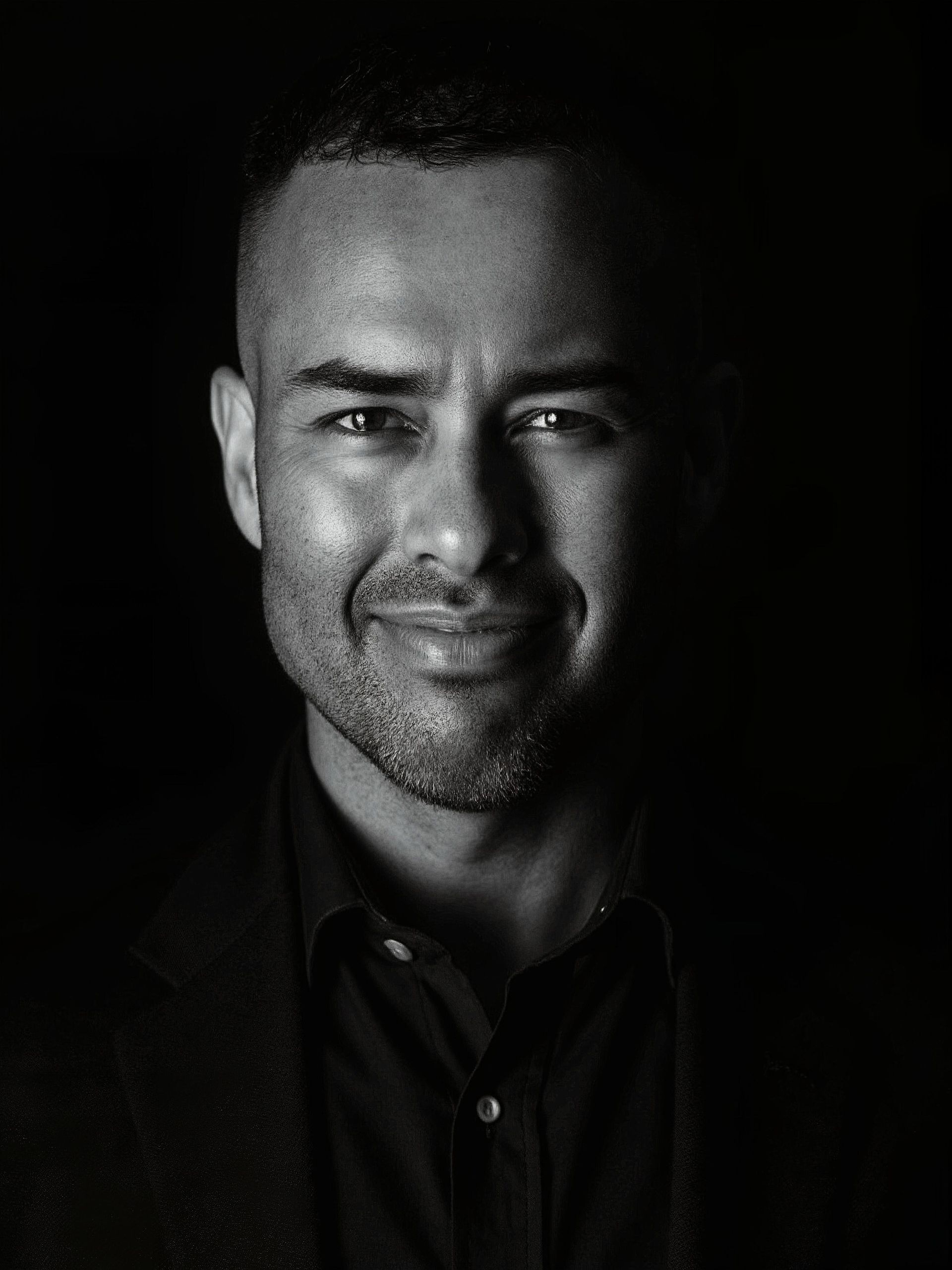
Hi, I’m Dr. Richard de la Garza
I specialize in liberation-rooted support for veterans, military-connected individuals and families, with a particular commitment to BIPOC and LGBTQ communities.