Trauma Therapy | From Survival to Lead
Trauma is not only about what happened in the past. It is about how your body, nervous system, and sense of self learned to survive. For many people, whether that survival meant staying composed under pressure, holding a family together through a hard transition, or adapting to systems that were never built with them in mind, trauma can show up as constant readiness, emotional shutdown, difficulty trusting others, or exhaustion from carrying responsibility alone. Trauma therapy here is designed for people who are ready to move beyond survival and into steadier, more self directed lives.
This work starts from a clear premise: trauma responses are not personal failures. They are adaptive strategies shaped by lived experience and by systems that often demand endurance without repair. The goal of trauma therapy is not to force healing or revisit experiences before you are ready. We stabilize first so calm decisions are possible and your system is no longer operating from constant urgency.
My approach to trauma therapy is grounded in dialogue, shared power, and action driven follow through. We focus on how trauma shows up in everyday life, including routines, relationships, identity, and decision making. Insight matters, but it is not enough. Together, we translate awareness into clear structures and supports that actually hold beyond the therapy room.
What is trauma therapy?
Trauma therapy is a structured, trauma informed approach to helping people understand and work with the lasting effects of overwhelming experiences. Trauma is not defined only by what happened, but by how your nervous system adapted to survive. For many people, these adaptations remain active long after the original experience, shaping stress levels, relationships, decision making, and sense of identity.
This type of therapy is important because trauma responses are often misunderstood as personal weakness, anger issues, or failure to adjust. In reality, they are predictable survival strategies developed in high demand environments. Without proper support, these patterns can keep you stuck in constant readiness, emotional shutdown, or burnout, even when the original threat is no longer present.
Trauma therapy addresses these challenges by starting with stabilization. We focus on restoring calm, safety, and predictability so your body and mind are no longer operating in crisis mode. From there, we work to align insight with daily life by building routines, communication strategies, and decision frameworks that reduce overwhelm and restore a sense of control.
Rather than forcing you to relive the past, trauma therapy helps you regain agency in the present. The goal is grounded calm, clearer self trust, and leadership over your own life again, so healing extends beyond the session and into everyday practice.
Most common symptoms of trauma
- Constant readiness or hypervigilance: Your body may stay on alert even when you are safe. This can show up as irritability, difficulty sleeping, scanning for threats, or feeling unable to fully relax.
- Difficulty regulating stress and emotions: Trauma can make emotions feel overwhelming or, at times, completely shut down. You may experience sudden anger, anxiety, numbness, or emotional exhaustion without clear triggers.
- Strained relationships and social withdrawal: Many people struggle to feel understood by others or to stay connected. This can look like pulling away, difficulty trusting people, or tension in family and work relationships.
- Trouble with focus, memory, or organization: Trauma can impact concentration and follow through. You may feel scattered, forgetful, or overwhelmed by tasks that once felt manageable.
- Avoidance and loss of interest: You may avoid certain situations, conversations, or environments that activate stress. Over time, this can lead to isolation or a sense of disconnection from parts of your life that once mattered.
- Burnout from carrying responsibility alone: Many people continue to operate as if no support is available. This ongoing self reliance can lead to physical fatigue, emotional shutdown, and a sense of being worn down.
How do I know if I am dealing with trauma?
- Do I feel constantly on edge or unable to relax, even in safe situations? If your body stays in alert mode long after stressful events have passed, it may be a sign that trauma responses are still active.
- Do my reactions feel bigger or faster than the situation calls for? Strong emotional reactions, sudden anger, anxiety, or shutdown can signal a nervous system shaped by survival rather than present day safety.
- Do I avoid people, places, or conversations that remind me of past experiences? Avoidance is a common trauma response meant to reduce distress, but over time it can limit connection and daily functioning.
- Do I feel disconnected from myself or others? Feeling numb, detached, or emotionally distant can be a way your system protects you from overwhelm, even if it creates isolation.
- Do I struggle with focus, sleep, or follow through? Trauma often affects concentration, rest, and organization, making everyday tasks feel harder than they should be.
- Do I carry most responsibilities alone, even when support is available? Many people develop deep self reliance after difficult experiences. When this continues without relief, it can be a sign that trauma shaped how you trust and accept help.
Ready to get started?
Step 1: Grounded Intake & Shared Mapping
We start with a collaborative intake session where we slow down together, map what’s happening in your body and life, and name the systems, histories, and power dynamics that have shaped how you respond. This isn’t a checkbox assessment, it’s a Freirean dialogue where your story is treated as real knowledge, not a problem to be fixed.
Step 2: Freirean Praxis Sessions (Reflection + Action)
In ongoing 1:1 sessions, we practice praxis: we reflect critically on your patterns, triggers, and environments, and then translate that insight into small, concrete actions that honor your values and your nervous system. You’ll leave each session with 1–3 grounded experiments or practices, no perfectionism, no overwhelm, just doable steps toward more dignity, choice, and ease.
Step 3: Integration, Reclaiming, and Future Alignment
As we work, we regularly pause to reflect on what’s shifting: how you’re feeling in your body, how your relationships and boundaries are changing, and what freedom looks like for you now. Together, we refine your practices, celebrate what’s working, and craft a sustainable way of living and leading that’s aligned with your values, so the transformation isn’t just a session experience, but part of your everyday life.
Trauma therapy specialist

I am Richard De La Garza, LCSW, a licensed clinical social worker specializing in trauma therapy. I understand the internal and external pressures that come with carrying trauma because I have lived within systems that shaped my own story, from an under resourced childhood to more than twenty years of work across hospitals, community systems, and high responsibility roles. My work is built on the belief that people are not problems to be fixed, but partners in change.
I specialize in helping people move out of constant survival mode and into steadier, more self directed lives. Through dialogue, shared power, and an action driven approach, I support clients in restoring calm, rebuilding self trust, and translating insight into structures that hold in everyday life. Trauma therapy here is not about quick relief or abstract processing. It is about dignity, clarity, and leadership that continues well beyond the therapy room.
What topics can we talk about in therapy for trauma?
- Reducing chronic stress and constant readiness: We work on how trauma keeps your nervous system in alert mode and build practical ways to restore calm so daily life is not driven by urgency or exhaustion.
- Emotional regulation and shutdown: Therapy is a space to understand intense emotions or numbness without judgment, and to develop strategies that help you stay present and grounded during stress.
- Building steady routines and healthy habits: Together, we design daily structures that support sleep, focus, and follow through, especially when trauma has disrupted rhythm and predictability.
- Relationships, communication, and boundaries: We address how trauma affects trust, connection, and conflict, and work on setting clear boundaries and communication that reduce strain with family, partners, and colleagues.
- Identity and self trust after trauma: Trauma can shape how you see yourself and your role in the world. We explore identity beyond survival and rebuild confidence in your ability to make calm, intentional decisions.
- Navigating responsibility and overfunctioning: For many people, trauma intersects with carrying more than their share at home or work. We focus on sustainable ways to lead, delegate, and share responsibility without burnout.
- Integrating past experiences without reliving them: Therapy does not require retelling your story in detail. We focus on how the past shows up now and how to regain agency in the present.
Tips and resources for coping with trauma
- Prioritize stabilization over self improvement: Focus first on sleep, nourishment, movement, and predictable routines. Trauma recovery begins with reducing day to day friction, not pushing for growth before your system is ready.
- Use grounding practices that fit real life: Short walks, paced breathing, or sensory grounding can help bring your nervous system out of alert mode without requiring long or abstract practices.
- Reduce unnecessary urgency and stimulation: Limiting constant news, social media, or high pressure environments can lower background stress and help your body recognize safety.
- Build routines that create a sense of control: Simple daily structures for mornings, evenings, and transitions can restore predictability when trauma has disrupted rhythm and focus.
- Stay connected to people who feel safe: Talking with someone you trust can reduce isolation and emotional load.
- Seek trauma informed professional support: Working with a therapist who understands trauma can help translate insight into practical support that holds outside the session.
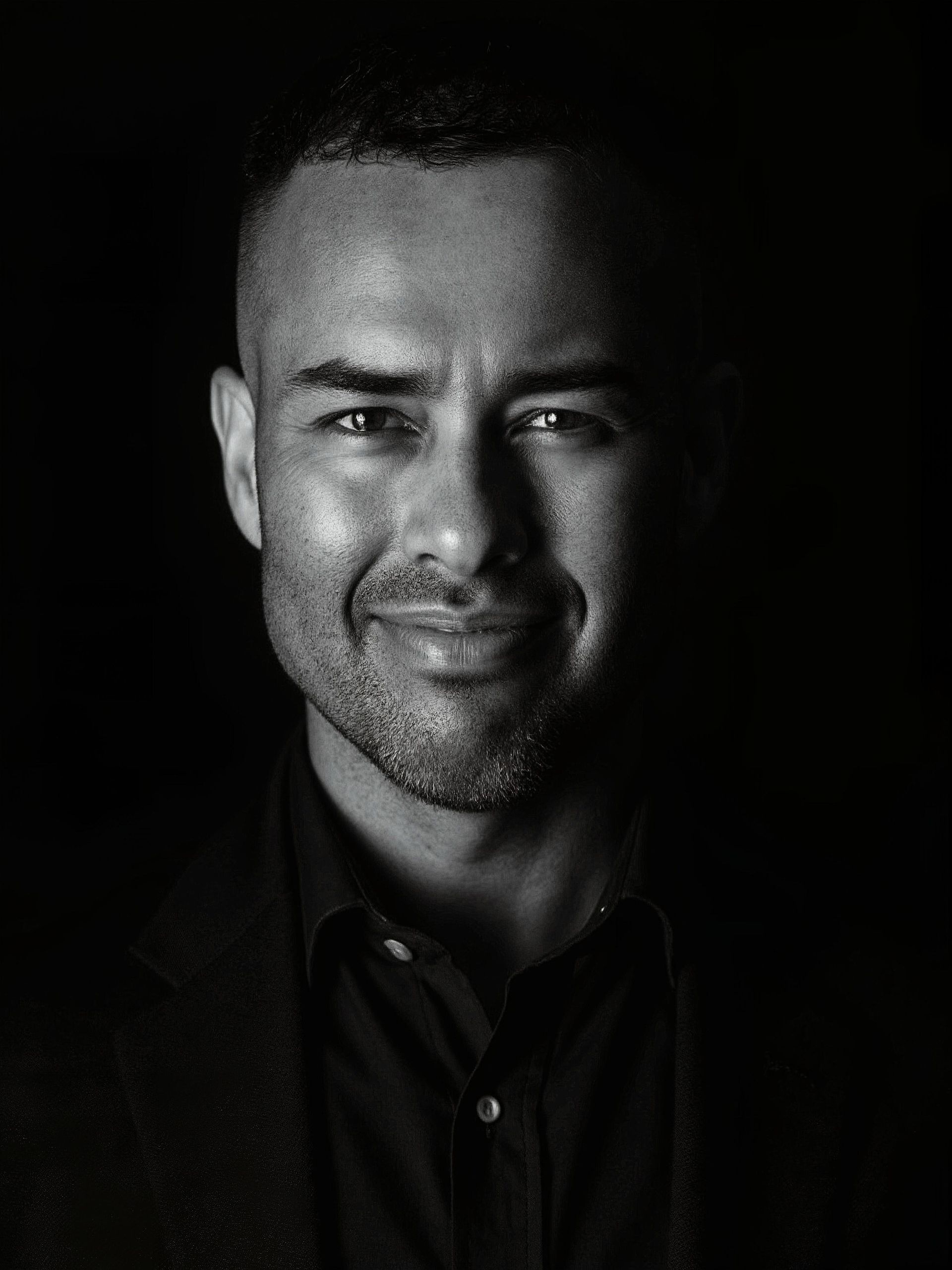
Hi, I’m Dr. Richard De La Garza, a Mexican American–Chicano Licensed Clinical Social Worker
I specialize in liberation-rooted support for veterans, military-connected individuals and families, with a particular commitment to BIPOC and LGBTQ communities.
Investment & What’s Included:
I believe in being clear and transparent about pricing, so you know exactly what you’re saying “yes” to.
Complimentary Consultation
START NOWI offer a complimentary 15‑minute phone consultation. During this call, you’ll have the opportunity to share your needs and ask questions.
If you prefer, you can request a consultation via email using the contact form; however, I find that a brief verbal conversation often makes it easier to communicate what you’re looking for.
I invite you to ask about:
- The therapy process in general
- My therapeutic approach
- Payment and logistics
So you can make an informed choice about whether my services are the right fit for you.
- The therapy process in general
Option 1: Individual Session
START NOWInvestment:
- Telehealth (online): $250 per 50‑minute session
- In‑person (only in San Diego, CA): $300 per 50‑minute session
- Students (current full‑time with valid ID): $200 per 50‑minute session
The same 50‑minute session rate applies whether you are an individual, couple, or family.
Includes:
- One 50‑minute 1:1 session (online or in‑person), centered on your current needs and capacity
- Liberation‑rooted, nervous‑system‑informed support (not a one‑size‑fits‑all script)
- A brief post‑session summary with 1–3 grounded practices or reflections to explore
- An email check‑in within a week to support integration and answer clarifying questions
Option 2: Deep Dive Series (6 Sessions over 3 Months)
START NOWInvestment:
$1,500 for 6 sessions
(Payment plans available: 2-3 months, 4+ months
Includes:
- Six 50‑minute 1:1 sessions, scheduled over approximately 3 months
- A shared roadmap we co‑create, grounded in your values, goals, and capacity
- Freire‑inspired reflection + action practices tailored to your real‑life context
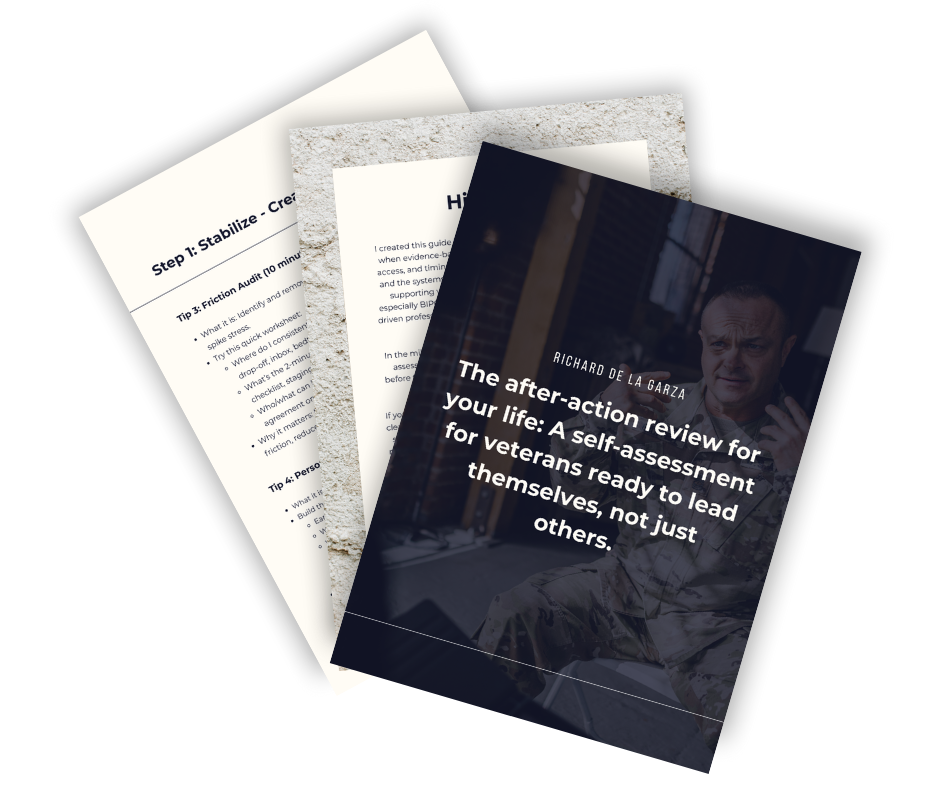
- Access to custom resources (handouts, nervous‑system exercises, journaling prompts)
- Brief email support between sessions for questions and check‑ins
- Six 50‑minute 1:1 sessions, scheduled over approximately 3 months
Payments
START NOWI do not accept insurance at this time.
I accept the following forms of payment:
- Major credit cards: Visa, MasterCard, American Express, Discover
- Cash, Apple Pay, Venmo, PayPal, and Zelle
- Checks and debit cards without a credit card feature are not accepted.
- No Surprises Act: You have the right to receive a Good Faith Estimate of what your services may cost.
- Major credit cards: Visa, MasterCard, American Express, Discover
FAQ
What is the most effective treatment for trauma?
The most evidence based treatments include Cognitive Processing Therapy (CPT), Prolonged Exposure (PE), and Eye Movement Desensitization and Reprocessing (EMDR). These therapies help you safely revisit and reprocess difficult experiences while reducing avoidance and hypervigilance.
How is trauma different from PTSD?
Trauma is the psychological and physical response to distressing events, while PTSD develops when those reactions persist for months and start interfering with daily functioning. Not everyone who experiences trauma develops PTSD. Therapy helps identify where you are on that spectrum.
Can trauma therapy work even years after the experience?
Yes. Research shows that trauma focused therapy remains effective even decades after a difficult experience. Healing is possible at any stage because the brain retains capacity to reprocess and form new patterns of safety and meaning.
What if I tried therapy before and it didn't help?
Different therapies target different parts of trauma recovery. If past therapy felt surface level, trauma focused approaches might reach the deeper neurological responses that talk therapy alone misses. Finding the right fit and a trauma trained clinician makes the difference.
Does trauma therapy include family or relationship work?
Yes. Many clients choose to include a partner or family member to help loved ones understand trauma responses and rebuild trust and communication. This collaborative work often accelerates recovery and reduces isolation.