Therapy for Military Spouses: Strengthening Partnerships Through Transition
Sometimes it feels like you are holding the whole world together while everything keeps changing around you. Military life is full of moments when the old rules no longer apply and you are left to decide what it means to stay connected, how to adapt, and what partnership looks like in each new chapter. In my work focused on veterans couples therapy I have seen that healthy relationships are not built on surviving alone but on learning to thrive together. I am Richard de la Garza, therapist for men. I believe in the power of military couples to lead, grow, and support each other through every transition. It is not about being perfect; it is about building the capacity to reconnect, reset, and move forward even when life feels off balance.
Why focus on therapy for military spouses and couples
Supporting military spouses and couples is about more than handling deployment or getting by during long separations. It is about creating a partnership that can handle stress and find meaning in times of transition. Military couples face pressures and patterns that most civilian couples never experience. There are changes in living situations, loss of routines, communication struggles because of distance or changing schedules, and a deep sense of uncertainty about the future. Many also juggle solo parenting, career shifts, and the quiet weight of unspoken worries. Therapy creates space to lay down those burdens, sort through pressures, and build real tools for stamina and resilience.
Key benefits of relationship focused support for military spouses
- Emotional validation: You are heard and every feeling has a place at the table.
- New ways of communicating: You learn how to express your feelings, needs, and boundaries even under pressure.
- Trust rebuilding: Couples develop ways to make trust visible and real after conflicts or time apart.
- Resilience in transition: Sessions focus on strategies to make change less overwhelming and encourage growth in every season.
- Healthier conflict: Arguments turn into productive conversations instead of blame cycles.
- Improved intimacy: Couples reignite connection and empathy through honest, supported dialogue.
- Support with parenting: New skills help navigate solo parenting, co-parenting after reunification, or children's adjustment challenges.
Signs your relationship might benefit from therapy
No couple is immune to stress. Military couples often face more. Signs that support could help include:
- Arguments or tension becoming more frequent or harder to resolve
- Feeling misunderstood, unseen, or emotionally alone
- Growing silent distance even when together
- Loss of physical or emotional closeness
- Patterns of blame and never getting past the same roadblocks
- Uncertainty about how to talk about deployments, trauma, or the future
- One partner feeling like they have to always be the strong one
- Parenting disagreements or stress spilling over into other areas
Counseling is not just for relationships in crisis. It is as useful for tuning up healthy partnerships as it is for restoring broken trust. The goal is to prevent small cracks from growing and to create an environment where both people feel empowered and cared for.
Understanding the unique challenges of military transitions
Each turning point in military life brings its own stress. Moving to a new duty station erases old routines and support systems. Deployment means distance can break emotional rhythms. Coming home feels joyful but may require renegotiating roles, boundaries, and intimacy as each partner has changed in their own way. Therapy helps couples enter these change points with more awareness, patience, and shared responsibility. It is normal and healthy to seek outside help navigating so many moving parts.
How veterans couples therapy helps your partnership
Having walked through transitions myself, I know that growth starts with honesty. Couples who can talk about loss, jealousy, grief, or what it takes to reconnect after months apart have the strongest platform for change. In veterans couples therapy we build toward:
- Clear and supportive communication, especially when talking about tough topics
- Setting rituals that help couples stay in sync during absence or busy seasons
- Protecting and building trust with feedback that is direct and kind
- Learning what each partner needs to feel supported and valued
- Making decisions together instead of slipping into old habits of silence or resentment
The aim is building habits of teamwork, connection, and mutual respect so couples can handle whatever the next transition brings.
Practical examples of what therapy can do for military couples
Every experience is distinct, but these scenarios are common. One partner wants more communication during a mission, and together you create a plan that respects everyone's needs and the realities of military life. After separation, the couple needs time and structure to find closeness again, and sessions offer space to talk about change and reconnect safely and honestly. Unspoken resentment has crept in, so together you name it and practice habits of repair so frustration does not build up unseen. Sex or emotional intimacy feels awkward or forced, and in those cases I may recommend exploring these areas with a specialist in sex therapy who understands the real demands of military transitions and partnership.
Is support only for couples in crisis?
No. The best results often come from meeting challenges before they grow. Some start as a check-in. Others seek help after a major life change. There is no wrong time to care about your partnership. Patterns like consistent withdrawal, shutting down, sharp blame, or one-sided stress are signals that support could help. Early action makes it easier to recover, repair, and renew your connection.
How couples can build resilience during every military season
Resilience is about honest communication, shared routines, and learning to rest and repair as a team. I center each session on small steps, using clear check-ins during absences and planning ahead for big transitions. This way, routines do not just shift with the demands of military life. Couples can rely on habits that help them repair and reconnect after stress. Over time, this is what creates self-trust and a sense that you can weather everything together.
Common myths about therapy for military spouses and couples
- Thinking therapy means something is broken. In truth, reaching out shows you value your relationship enough to invest in it.
- Believing help is just for emergencies. Many couples use therapy to learn skills and stay strong through good and hard times.
- Fearing that outsiders will not "get it." Many therapists including myself have either lived military life or advanced training in military transitions and family systems.
- Assuming support is extra work. Most clients find that having a safe routine for connection saves energy and reduces overall stress.
Begin with relationship support today and strengthen your partnership
If you are seeking steadiness, honest feedback, or simply a place to regain your momentum together, I invite you to take the next step. Leadership and resilience can grow in your own home and community. For support that recognizes the unique challenges of military couples, start with veterans couples therapy or explore therapy in San Diego, CA. The goal is always partnership, clarity, and support you can rely on without drama, no matter what tomorrow brings.
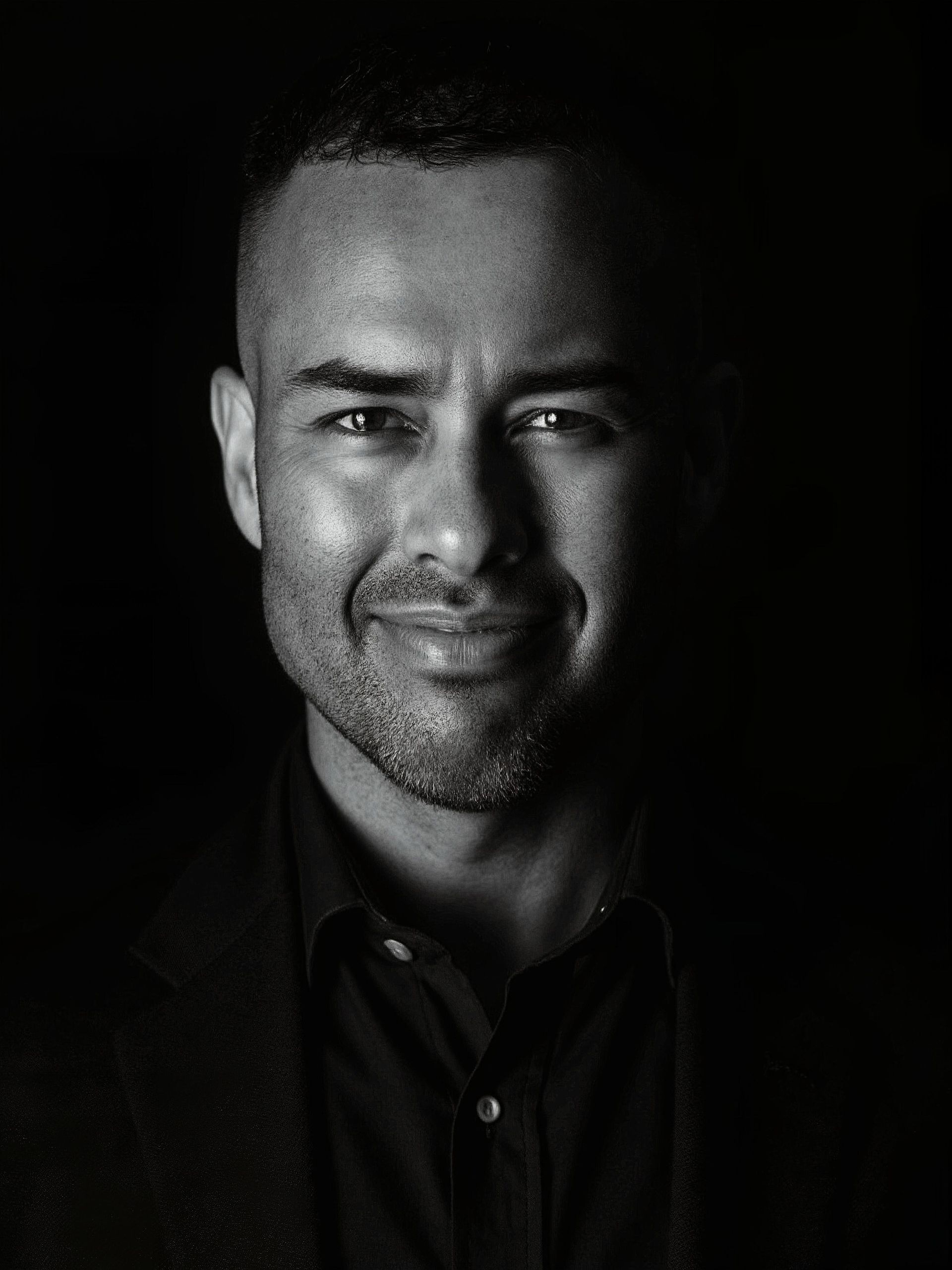
Hi, I’m Dr. Richard de la Garza
I specialize in liberation-rooted support for veterans, military-connected individuals and families, with a particular commitment to BIPOC and LGBTQ communities.