Military Transition Counseling | Lead Beyond Service
Leaving the military is not just a career change. It is a full identity shift that can unsettle routines, relationships, and the sense of who you are without the structure of service. Many veterans enter civilian life carrying constant readiness, pressure to perform, and frustration when systems feel unclear or unreliable. The transition can feel disorienting, even when you are capable and motivated.
Military transition counseling supports veterans during this in-between space. We focus on stabilizing daily life first so decisions are not driven by urgency or burnout. Instead of rushing you to redefine yourself, I slow the process down with you, name what has changed, and help map what support actually needs to look like now.
I am a U.S. Army veteran and licensed clinical social worker who understands the internal and external demands of life after service because I have lived them. My work is grounded in dialogue, shared power, and clear agreements. I do not offer quick fixes or abstract insight. We translate experience into structure so support holds beyond the session. If you would like to learn more about how I work with veterans, you can explore the therapy for veterans service.
Together, we rebuild calm, clarify identity beyond the uniform, and create practical routines that restore self-trust and direction. The goal is not just to get through the transition, but to move forward with steadiness, agency, and leadership that fits who you are now.
What is military transition counseling?
Military transition counseling is a structured, trauma informed form of support for veterans and military connected adults navigating life after service. It addresses the emotional, psychological, and practical impact of leaving a system that once provided identity, structure, and clear expectations. This work recognizes that transition is not a single moment, but an ongoing process that affects how you think, relate, decide, and lead in civilian life.
This type of counseling is important because many challenges veterans face after service are not personal shortcomings. They are predictable responses to abrupt changes in role, authority, rhythm, and meaning. Loss of structure, constant readiness, identity confusion, and distrust of civilian systems can create chronic stress, shutdown, or burnout if left unaddressed.
Military transition counseling focuses on stabilizing daily life before pushing for big changes. We start by restoring calm, clarifying what support is needed now, and translating military skills into civilian contexts without erasing who you are. The work is practical and dialog based, turning insight into routines, agreements, and plans that actually hold outside the therapy room.
Rather than asking you to simply adapt to systems that do not fit, this approach helps you design a steadier way forward. The goal is grounded calm, clearer identity beyond the uniform, and leadership that feels sustainable in everyday life.
Most common symptoms of military transition stress
- Persistent sense of urgency or hypervigilance: Even after leaving service, your nervous system may stay in constant readiness. This can show up as difficulty relaxing, irritability, poor sleep, or feeling on edge without a clear reason.
- Identity confusion beyond the uniform: Many veterans struggle to define who they are without rank, role, or mission clarity. This can create a sense of loss, emptiness, or pressure to quickly “figure it out” in civilian life.
- Difficulty trusting civilian systems or support: Civilian workplaces, healthcare, or institutions may feel unclear, inconsistent, or unreliable. This often leads to frustration, withdrawal, or the belief that it is easier to carry everything alone.
- Challenges in relationships and communication: Differences in language, expectations, or emotional expression can strain family, friendships, and professional relationships. You may feel misunderstood or disconnected, even when others are trying to help.
- Burnout from carrying responsibility alone: Many veterans continue to operate as if no backup is coming. Over time, this can lead to emotional exhaustion, shutdown, or resentment, especially when support does not follow through.
- Difficulty slowing down or making calm decisions: Without a clear structure, decisions can feel overwhelming or rushed. This often shows up as overworking, avoidance, or difficulty prioritizing what actually matters now.
These experiences are common during military transition and do not reflect weakness or failure. They signal a need for stability, clarity, and support that fits life after service.
How do I know if I am struggling with military transition?
- Do I feel constantly on edge or unable to fully relax, even when nothing is wrong?: If your body stays in alert mode long after service, it may be a sign that your nervous system has not received support in recalibrating to civilian life.
- Do I feel unsure of who I am or where I am headed without the structure of the military?: Feeling unmoored, pressured to redefine yourself quickly, or disconnected from a sense of purpose can point to unresolved transition stress.
- Do civilian systems or workplaces feel confusing, frustrating, or unreliable?: If you regularly feel let down, misunderstood, or exhausted by navigating civilian expectations, this may be more about structural mismatch than personal failure.
- Do I carry most responsibilities alone, even when support is technically available?: Taking everything on yourself can be a learned survival strategy from service that no longer serves you in this phase of life.
- Do my relationships feel strained or distant since leaving the military?: Difficulty communicating needs, feeling misunderstood, or pulling away from others can be common during transition.
- Do I struggle to make calm decisions or slow my pace without feeling guilty or anxious?: If rest feels unsafe or unproductive, your system may still be operating under mission driven urgency.
Ready to get started?
Step 1: Grounded Intake & Shared Mapping
We start with a collaborative intake session where we slow down together, map what’s happening in your body and life, and name the systems, histories, and power dynamics that have shaped how you respond. This isn’t a checkbox assessment, it’s a Freirean dialogue where your story is treated as real knowledge, not a problem to be fixed.
Step 2: Freirean Praxis Sessions (Reflection + Action)
In ongoing 1:1 sessions, we practice praxis: we reflect critically on your patterns, triggers, and environments, and then translate that insight into small, concrete actions that honor your values and your nervous system. You’ll leave each session with 1–3 grounded experiments or practices, no perfectionism, no overwhelm, just doable steps toward more dignity, choice, and ease.
Step 3: Integration, Reclaiming, and Future Alignment
As we work, we regularly pause to reflect on what’s shifting: how you’re feeling in your body, how your relationships and boundaries are changing, and what freedom looks like for you now. Together, we refine your practices, celebrate what’s working, and craft a sustainable way of living and leading that’s aligned with your values, so the transformation isn’t just a session experience, but part of your everyday life.
Hello, I am Richard De La Garza, LCSW. I support your military transition.

My work with veterans is grounded in dialogue, shared power, and an action driven therapy style. I work from a clear framework built around three phases: stabilize, align, and lead. This structure exists because insight alone does not create change. Calm, coherence, and follow through do.
We begin by stabilizing. This phase focuses on creating enough calm and safety for real thinking to happen. We slow things down, reduce unnecessary urgency, and introduce simple structures that lower day to day friction. Stabilization helps move your nervous system out of constant reaction so conversations, decisions, and learning can actually take hold.
From there, we move into alignment. We look at how values, roles, expectations, routines, and supports interact across your life. Rather than working in isolation, we identify where misalignment is creating strain and redesign those areas so insight can move out of conversation and into daily practice. Alignment is what allows support to show up consistently beyond the therapy room.
What topics can we talk about in therapy for military transition?
- Releasing constant readiness and chronic stress: We explore how military conditioning continues to live in your body and nervous system, and work on restoring calm so daily life is not driven by urgency or exhaustion.
- Identity beyond the uniform: Transition often raises the question of who you are without rank, role, or mission. We take time to clarify values, strengths, and direction without rushing you into a new label or career.
- Building steady routines and structure: Together, we design practical daily rhythms that replace military structure, supporting focus, rest, and follow-through in civilian life.
- Navigating work and leadership in civilian systems: We translate military skills into civilian contexts, address frustration with unclear expectations, and build leaders who work without constant pressure or overfunctioning.
- Relationships, communication, and boundaries: Therapy is a space to work through shifts in family, friendships, and professional relationships, including how to ask for support and set limits without shutting down or carrying everything alone.
- Trusting support and reducing burnout: We address the habit of self-reliance when it becomes costly, and create clear agreements so support from others is consistent and reliable.
- Making decisions with clarity instead of urgency: We slow decision-making down, reduce overwhelm, and build confidence in everyday choices so your life is led with intention rather than reaction.
These conversations are grounded in real-life challenges and focused on building stability, dignity, and leadership that holds beyond the therapy room.
Tips and resources for coping with military transition
- Stabilize your daily rhythm first: Create a simple, predictable routine for sleep, meals, movement, and work. Consistency matters more than intensity during transition and helps your nervous system stand down.
- Name what has changed instead of pushing through it: Take time to acknowledge losses in structure, identity, and community. Writing or speaking these changes out loud can reduce internal pressure to immediately perform or adapt.
- Limit overexposure to constant noise and comparison: Stepping back from social media, nonstop news, or productivity-driven spaces can reduce urgency and help you reconnect with what actually supports calm.
- Use grounding practices that work in real life: Short walks, breath pacing, or sensory grounding can help reset your body without requiring long or abstract mindfulness practices. The goal is usable calm, not perfection.
- Stay connected to people who understand military culture: Peer groups, veteran organizations, or trusted individuals with shared experience can reduce isolation and the need to constantly explain yourself.
- Reach out for structured professional support: Working with a therapist who understands military systems and transition can help translate insight into practical plans that hold outside the session.
Local veteran organizations and VA-affiliated programs may offer additional community resources. These tools do not replace therapy, but they can support steadiness as you navigate life after service.
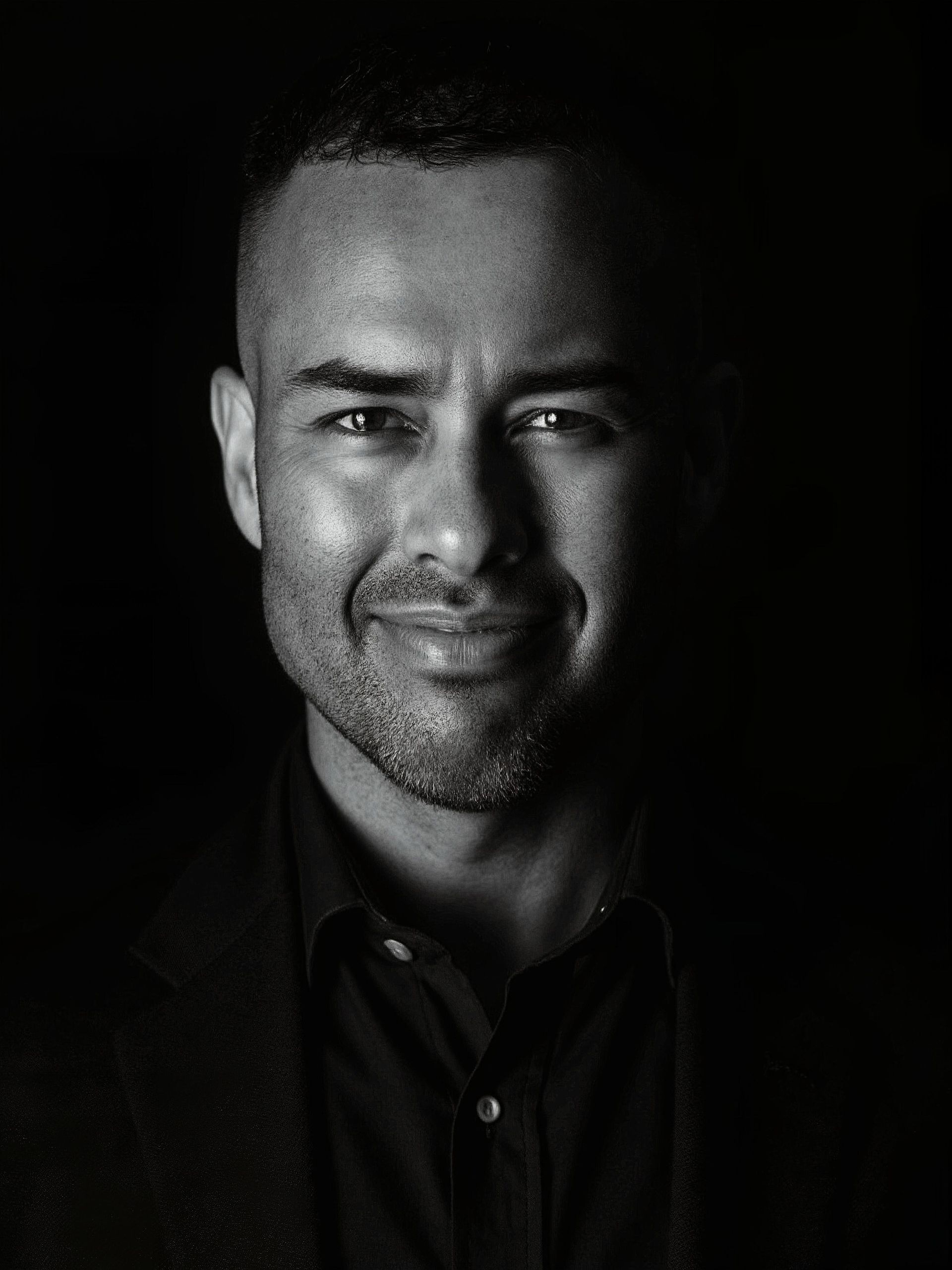
Hi, I’m Dr. Richard De La Garza, a Mexican American–Chicano Licensed Clinical Social Worker
I specialize in liberation-rooted support for veterans, military-connected individuals and families, with a particular commitment to BIPOC and LGBTQ communities.
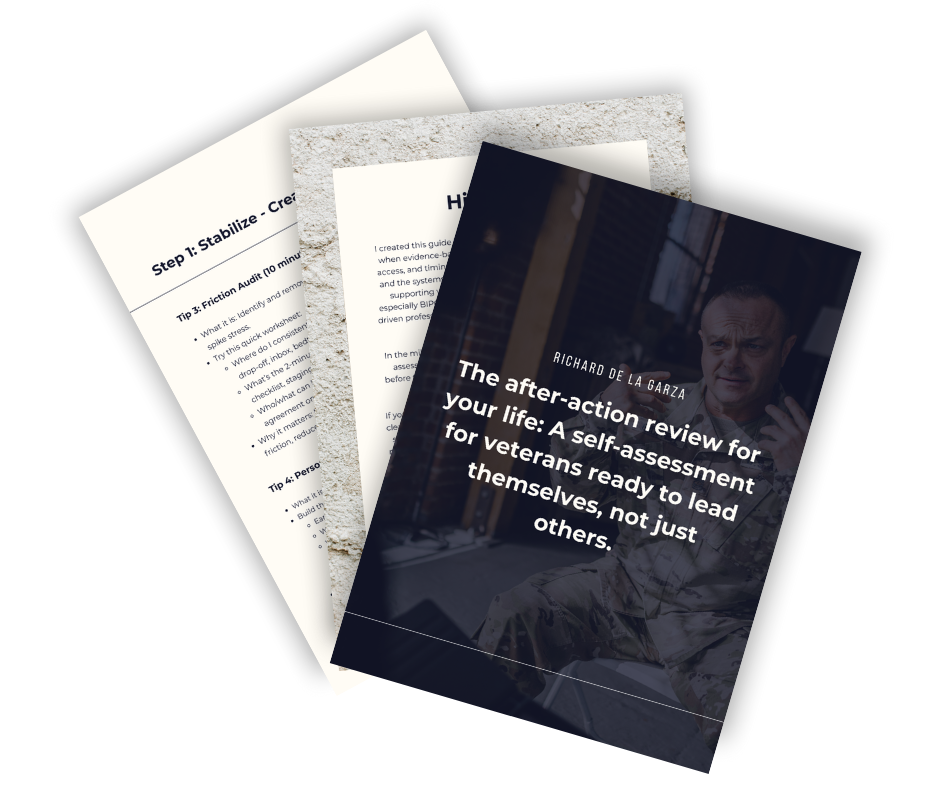
Investment & What’s Included:
I believe in being clear and transparent about pricing, so you know exactly what you’re saying “yes” to.
Complimentary Consultation
START NOWI offer a complimentary 15‑minute phone consultation. During this call, you’ll have the opportunity to share your needs and ask questions.
If you prefer, you can request a consultation via email using the contact form; however, I find that a brief verbal conversation often makes it easier to communicate what you’re looking for.
I invite you to ask about:
- The therapy process in general
- My therapeutic approach
- Payment and logistics
So you can make an informed choice about whether my services are the right fit for you.
- The therapy process in general
Option 1: Individual Session
START NOWInvestment:
- Telehealth (online): $250 per 50‑minute session
- In‑person (only in San Diego, CA): $300 per 50‑minute session
- Students (current full‑time with valid ID): $200 per 50‑minute session
The same 50‑minute session rate applies whether you are an individual, couple, or family.
Includes:
- One 50‑minute 1:1 session (online or in‑person), centered on your current needs and capacity
- Liberation‑rooted, nervous‑system‑informed support (not a one‑size‑fits‑all script)
- A brief post‑session summary with 1–3 grounded practices or reflections to explore
- An email check‑in within a week to support integration and answer clarifying questions
Option 2: Deep Dive Series (6 Sessions over 3 Months)
START NOWInvestment:
$1,500 for 6 sessions
(Payment plans available: 2-3 months, 4+ months
Includes:
- Six 50‑minute 1:1 sessions, scheduled over approximately 3 months
- A shared roadmap we co‑create, grounded in your values, goals, and capacity
- Freire‑inspired reflection + action practices tailored to your real‑life context
- Access to custom resources (handouts, nervous‑system exercises, journaling prompts)
- Brief email support between sessions for questions and check‑ins
- Six 50‑minute 1:1 sessions, scheduled over approximately 3 months
Payments
START NOWI do not accept insurance at this time.
I accept the following forms of payment:
- Major credit cards: Visa, MasterCard, American Express, Discover
- Cash, Apple Pay, Venmo, PayPal, and Zelle
- Checks and debit cards without a credit card feature are not accepted.
- No Surprises Act: You have the right to receive a Good Faith Estimate of what your services may cost.
- Major credit cards: Visa, MasterCard, American Express, Discover
FAQ
How long does military transition counseling usually take?
The length of counseling depends on your goals and the stability you want to build. Some veterans benefit from short-term structure over 8–12 sessions, while others choose ongoing support as they rebuild identity and daily systems.
What’s the difference between VA readjustment counseling and private therapy?
VA counseling focuses on reintegration and may use a group or short-term format. Private therapy provides individualized, continuous support that adapts to your pace, needs, and environment. Both are valuable. Many veterans combine them for broader support.
Can I receive military transition counseling online?
Yes. Many veterans prefer virtual sessions for flexibility and privacy, especially when balancing new jobs or family changes. Online counseling offers the same level of confidentiality and depth as in-person sessions.
How do I prepare for my first transition counseling session?
You don’t need to come in with answers or goals. Bring a sense of what feels off, sleep, communication, focus, or motivation. Together, we’ll clarify what stability looks like for you and start with small, doable steps that create calm before change.
What if I’ve been out of the military for years but still feel “on alert”?
Transition stress doesn’t expire. Even years after discharge, your body can remain in a state of readiness if life never slows down enough to reset. Counseling helps you release chronic tension, rebuild trust in calm, and reconnect to life beyond survival mode.