
Therapist in San Diego, CA | Trauma & PTSD
I work with people across San Diego who are done letting old survival patterns run the show and ready to actually become a better version of themselves. My practice centers on trauma and PTSD, alongside the anxiety, anger, and identity questions that tend to travel with them, for veterans, men, women, couples, and families carrying real responsibility at work, at home, or both. This is equally an affirming space for BIPOC, LGBTQ, and neurodivergent clients who want a clinician fluent in navigating systems that were not built with them in mind.
Between Naval Base San Diego, the biotech corridors near Torrey Pines and UTC, the startup floors downtown near the Gaslamp Quarter, and the hospital systems anchored around Hillcrest and Balboa Park, this city runs on people whose job is to stay steady under pressure. Clients come from boardrooms in Mission Valley, from officer housing near Coronado, from clinics in North Park, and from the biotech campuses stretching toward La Jolla. What connects them is not a zip code. It is a level of responsibility that never fully clocks out.
A city built around the Navy, biotech innovation, and constant new leadership talent tends to reward composure and quietly ignore what it costs. Many clients arrive after therapy that treated their drive, their culture, their identity, or their neurodivergence as the problem instead of the context. As a bilingual, bicultural clinician who has done his own work of turning survival into strategy, I built this practice around a different premise: the traits that got you here are not a flaw to manage. They are a skill worth understanding and finally putting to use on your own terms.

Here’s what’s included

Step 1: Grounded Intake & Shared Mapping

We start with a collaborative session where we slow down together, map what is happening in your body and your life, and name the systems, histories, and pressures that have shaped how you respond. This is not a checkbox process. It is a dialogue where your story is treated as real knowledge, not a problem waiting to be fixed.

Step 2: Freirean Praxis Sessions (Reflection + Action)

In ongoing one on one sessions, we reflect critically on your patterns, triggers, and environments, then translate that insight into small, concrete actions that honor your values and your nervous system. You leave each session with one to three grounded practices to try, nothing overwhelming, just doable steps toward more dignity, choice, and ease.

Step 3: Integration, Reclaiming, and Future Alignment

We regularly pause to notice what is shifting: how you feel in your body, how your relationships and boundaries are changing, and what taking control of your life actually looks like now. Together we refine what is working and build a sustainable way of leading and living that stays aligned with your values long after the session ends.

My services and specializations


Individual therapy here is for people who are tired of managing everything alone and ready to actually become a better version of themselves instead of just holding it together. Many clients arrive carrying pressure they were never taught how to name, whether that pressure comes from a title, a uniform, a culture, or a body that processes the world differently. This work is often about deconstructing the negative story behind that pressure and reconstructing one that is steadier and more honestly yours. Sessions make room for the full context of who you are, including race, sexuality, and neurodivergence when that context matters, offered virtually or in person for clients across San Diego.

Trauma therapy here supports people who feel stuck in survival mode, emotional shutdown, or a constant hum of alertness long after the events that caused it have passed. Many clients arrive dealing with intrusive memories, anger, numbness, or a body that will not let them feel safe even when nothing is currently wrong. These patterns often persist quietly beneath a composed, high functioning exterior. Over time, clients tend to notice their reactions softening, their nervous system settling, and a growing capacity to stay present instead of endlessly scanning for the next problem. Sessions explore how past experience continues to shape the body, offered virtually or in person, at a pace that feels sustainable rather than forced.

This work supports people living with the ongoing effects of trauma exposure, including hypervigilance, intrusive memories, sleep disruption, or a body that will not fully relax even in safe settings. Many clients have carried these symptoms quietly for years, treating them as a personality trait rather than a nervous system stuck in an old pattern. Relief tends to come gradually: reactions softening, sleep improving, and a growing ability to stay present instead of being pulled back into the past. Sessions prioritize pacing and safety over speed, offered virtually or in person, without ever requiring someone to relive an experience before they are ready.

This work supports men who are done performing composure and ready to actually feel steady and in control. Many clients arrive carrying pressure they were never taught how to name, let alone set down, showing up as irritability, disconnection, or a quiet sense that something underneath is not adding up. Relief tends to look like clearer thinking, steadier relationships, and permission to feel without it costing them their sense of self. Sessions explore what it actually means to lead a life instead of just holding one together, offered virtually or in person for men across the region.

This work supports people navigating disconnection, low desire, performance pressure, or difficulty feeling present during intimacy. Many clients carry shame around these struggles quietly, assuming they are the only ones dealing with it while everything else in life appears stable and under control. Relief tends to look like softened shame, better communication, and connection that feels authentic instead of pressured. Sessions explore how stress, identity, and long held patterns of self protection shape intimacy, offered virtually or in person, always without judgment or performance expectations.

This work supports people overwhelmed by irritability, tension, or reactions that feel bigger than the moment that triggered them. Many clients notice anger showing up as impatience or sudden outbursts, often as a protective response when other emotions feel unsafe to show. Relief tends to look like more space between the trigger and the reaction, clearer communication, and relationships that stop absorbing the fallout. Sessions explore what anger has been protecting and how to take control of it without suppression or escalation, offered virtually or in person, with real accountability built in.

This work supports veterans and military connected clients navigating the shift from a highly structured environment into a life they now have to define for themselves. Many clients arrive feeling unsettled or disconnected, carrying discipline and readiness that no longer has a clear place to go. Relief tends to look like a steadier nervous system, a clearer sense of identity beyond rank or role, and decisions that feel like choices instead of reactions. Sessions honor military culture and lived experience directly, offered virtually or in person, building a life that answers to you now instead of a former chain of command.

This work supports organizations, teams, and leaders operating in high pressure, high responsibility environments where performance and emotional load are part of the daily job, including military connected and veteran serving organizations. Many organizations reach out when their people are technically functioning but struggling underneath the surface, and communication has started to fray. Teams tend to experience greater clarity, more psychological safety, and leadership that feels grounded instead of reactive. Engagements are delivered through speaking, workshops, or ongoing consultation, in person locally or virtually when that fits better.

I serve clients in this location

I work with people throughout San Diego and the surrounding region, from Coronado to Chula Vista, from La Jolla to El Cajon, offering both in person sessions locally and virtual sessions for clients who need flexibility around demanding schedules. My approach stays grounded and direct, built for veterans, men, women, couples, families, and BIPOC, LGBTQ, and neurodivergent clients whose responsibility does not pause for a fifty minute hour, and shaped by years of working alongside the kind of high pressure life this city runs on.

“Richard’s work reflects both intellectual depth and genuine care. He brings clarity, discipline, and empathy to every role, making him an exceptional clinician and consultant.”

— Academic & Clinical Reference

“Richard combines clinical skill with deep leadership. He brings clarity, compassion, and structure to complex environments, empowering individuals and families to move forward with dignity and accountability.”

— Keith D. Washington, LCSW, DCSW

“Richard’s leadership in high-pressure military systems stood out immediately. His ability to balance clinical judgment, teamwork, and mission readiness makes him a trusted guide in complex, real-world settings.”

— Senior Military Supervisor

“What sets Richard apart is his ability to connect systems, people, and purpose. He leads with integrity, cultural awareness, and a deep respect for lived experience.”

— Community Mental Health Colleague

“Richard creates spaces where growth feels possible. His approach is thoughtful, structured, and human—especially for those navigating leadership, identity, and high-stakes environments.”

— Professional Peer

“Richard’s work reflects both intellectual depth and genuine care. He brings clarity, discipline, and empathy to every role, making him an exceptional clinician and consultant.”

— Academic & Clinical Reference

“Richard combines clinical skill with deep leadership. He brings clarity, compassion, and structure to complex environments, empowering individuals and families to move forward with dignity and accountability.”

— Keith D. Washington, LCSW, DCSW

Testimonials
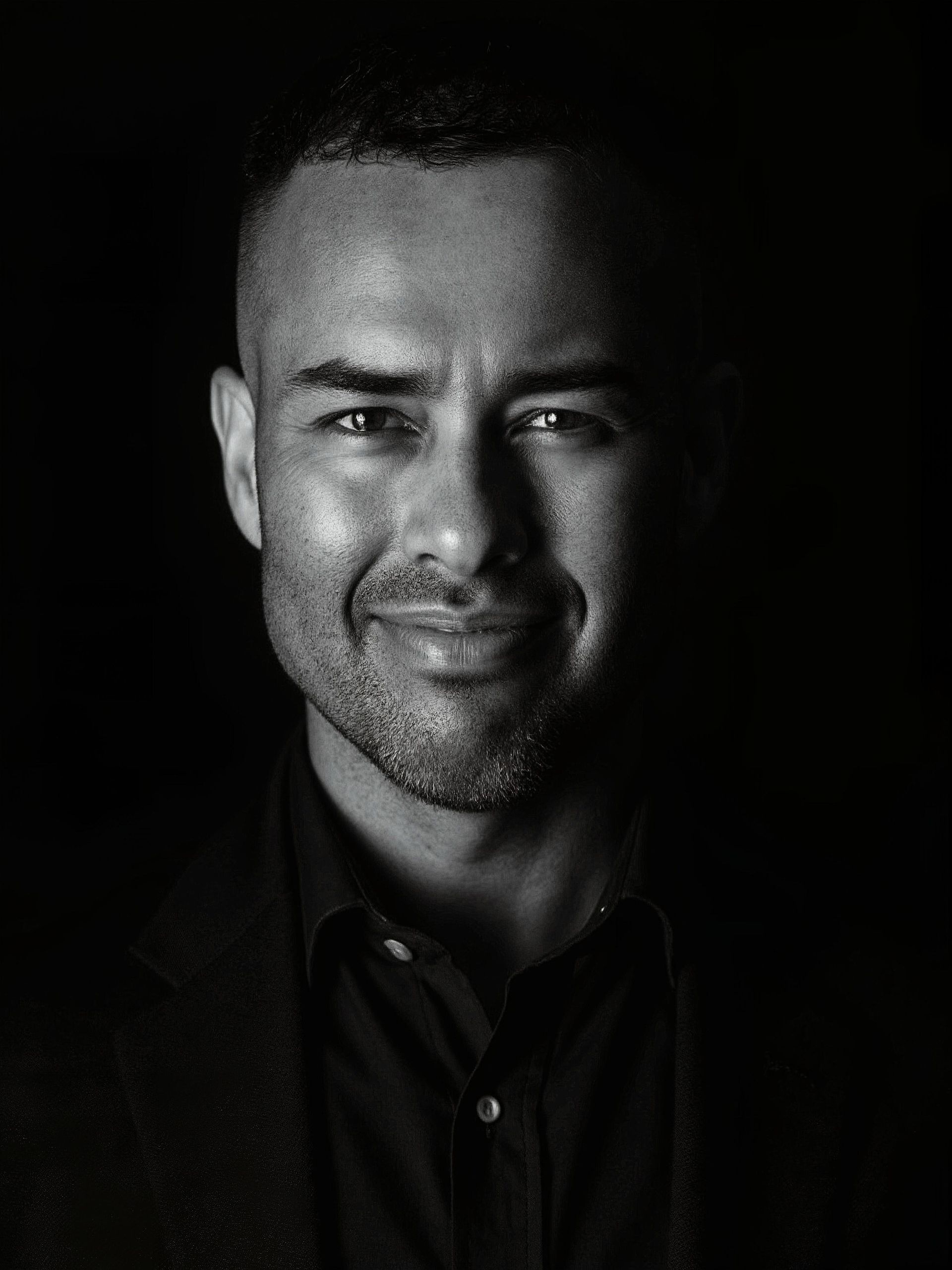
Portrait of a smiling man in dark clothing against a black background

I'm Dr. Richard De La Garza- and I’m a Mexican American / Chicano Licensed Clinical Social Worker (LCSW)

I am a Licensed Clinical Social Worker, doctoral scholar, and U.S. Army veteran who has spent more than twenty years working across hospitals, community clinics, and federal systems before building this practice. As a bilingual, bicultural, neurodivergent clinician, I bring that same lived understanding to the veterans, men, women, couples, families, and BIPOC, LGBTQ, and neurodivergent clients I work with today. People don't just recover here. They rise.

Frequently Asked Questions

  • How does this work?

    We start with a complimentary 15‑minute consultation to see whether we’re a good fit and to answer any initial questions. If we decide to work together, we’ll schedule your first full session and complete intake forms through a secure online portal.


    In our sessions, we meet virtually (or in person if you’re in San Diego, CA and choose that option). We’ll slow down, map what’s going on in your life and body, and set goals together rather than imposing a one‑size‑fits‑all plan.


    I draw from several approaches—including cognitive behavioral therapy (CBT), trauma‑informed care, Eye Movement Desensitization and Reprocessing (EMDR), strength‑based and compassion‑based practices—while centering intersectionality and cultural context. That means we look not only at your thoughts, feelings, and behaviors, but also at how identity, history, and systems shape your experience. Each session is a mix of reflection and concrete practices, so you leave with 1–3 grounded steps to try between sessions.


    Therapy is typically weekly or bi‑weekly at first, and we’ll regularly check in about how it’s going, what’s shifting, and whether the frequency or focus needs to be adjusted.

  • Can I use insurance?

    I do not accept insurance at this time. All services are self‑pay, and payment is due at the time of service.


    Many clients choose to use HSA/FSA funds or speak with their insurance provider about any out‑of‑network benefits that might apply. I’m happy to answer questions about fees and payment so you can make an informed decision before beginning.


    You also have the right to receive a Good Faith Estimate of the expected costs of your services, in line with the No Surprises Act.

  • What technology do I need?

    Virtual sessions are held through a secure, HIPAA‑compliant video platform.


    You’ll need:


    • A stable internet connection
    • A smartphone, tablet, or computer with a camera and microphone
    • A private, quiet space where you feel comfortable speaking openly
    • Headphones or earbuds (recommended for privacy and sound quality)

    Before each session, you’ll receive a link by email; you simply click it at your appointment time—no special software is required beyond an up‑to‑date browser.

  • What happens if I need to cancel?

    Life happens, and sometimes you need to reschedule. I ask for at least 24 hours’ notice if you need to cancel or change an appointment.


    • Cancellations or reschedules made more than 24 hours in advance: no fee.
    • Cancellations, reschedules, or no‑shows within 24 hours of your appointment: you will be responsible for the full session fee.

    This policy helps protect the time I set aside for you and ensures that appointments are available for others who may be waiting. If you’re unsure whether you’ll be able to attend, please reach out as soon as you can so we can explore options.

  • Good Faith Estimate

    What is a Good Faith Estimate?


    If you are paying out of pocket (not using insurance), you have the right to receive a Good Faith Estimate (GFE) outlining the expected cost of your therapy.


    A Good Faith Estimate includes:


    • Describes the type of services we’re planning (for example, weekly 50-minute sessions)
    • Outlines the estimated total cost over a period of time (for example, 3–6 months)
    • Is provided in writing before we begin ongoing therapy

    This is an estimate, not a contract. If we adjust your treatment plan—such as meeting more or less often—I will update the estimate to reflect our new agreement.


    Under the No Surprises Act, if your actual charges are significantly higher than the estimate, you may have the right to dispute the bill. This law is designed to promote transparency, so you can make informed decisions about your care.