Depression Therapy | Reclaim Purpose
Depression often shows up quietly. It can feel like emotional heaviness, loss of motivation, disconnection from purpose, or exhaustion from carrying life on autopilot. Depression therapy here is designed for people who have kept functioning while feeling increasingly numb, stuck, or worn down inside. If you are looking for support that goes beyond symptom relief and actually helps life feel livable again, you are in the right place.
Together, we explore common symptoms, effective treatment approaches, and ways to move through depression toward steadier energy, clearer identity, and a renewed sense of direction. The goal is not just to feel better, but to rise into a life that feels intentional, supported, and sustainable.
What is depression therapy?
Depression therapy is a structured, supportive approach to helping people work through persistent low mood, loss of motivation, emotional numbness, or a sense of disconnection from life. Depression is not only about sadness. It can show up as exhaustion, withdrawal, irritability, difficulty finding meaning, or feeling stuck even while continuing to function on the outside.
This type of therapy is important because depression is often overlooked or minimized. Many people continue to carry responsibility, work, and family roles while quietly losing energy, purpose, or self trust.
Most common symptoms of depression
- Persistent low mood or emotional heaviness: Depression often feels like a constant weight rather than intense sadness. Many people describe feeling flat, numb, or emotionally drained.
- Loss of motivation or interest: Activities that once mattered may feel pointless or exhausting. Even small tasks can require significant effort.
- Fatigue and low energy: Ongoing tiredness that does not improve with rest is common and can make daily responsibilities feel overwhelming.
- Difficulty concentrating or making decisions: Depression can slow thinking, affect memory, and make it harder to stay organized or follow through.
- Social withdrawal and isolation: You may pull away from relationships, avoid conversations, or feel disconnected from people who once felt close.
- Changes in sleep or appetite: Trouble sleeping, sleeping too much, or noticeable changes in appetite can be signs that depression is affecting your body as well as your mood.
- Feelings of emptiness, guilt, or worthlessness: Many people experience harsh self criticism or a sense that they are failing, even when they continue to function outwardly.
How do I know if I am dealing with depression?
- Do I feel emotionally flat, heavy, or disconnected most days?: Depression does not always look like sadness. Feeling numb, indifferent, or weighed down for long periods can be a sign.
- Do everyday tasks feel harder than they used to?: If getting through routine responsibilities requires more effort or energy than before, depression may be affecting your motivation and capacity.
- Have I lost interest in things that once mattered to me?: A noticeable drop in interest, enjoyment, or engagement is a common marker of depression.
- Do I feel stuck or unsure about my direction in life?: Depression can cloud clarity and make it difficult to see purpose, options, or next steps.
- Am I withdrawing from people or avoiding connection?: Pulling away from relationships or preferring isolation can be a way depression shows up, even when connection is needed.
- Do I struggle with concentration, sleep, or energy?: Ongoing difficulties in these areas often reflect how depression affects both mind and body.
Ready to get started?
Step 1: Grounded Intake & Shared Mapping
We start with a collaborative intake session where we slow down together, map what’s happening in your body and life, and name the systems, histories, and power dynamics that have shaped how you respond. This isn’t a checkbox assessment, it’s a Freirean dialogue where your story is treated as real knowledge, not a problem to be fixed.
Step 2: Freirean Praxis Sessions (Reflection + Action)
In ongoing 1:1 sessions, we practice praxis: we reflect critically on your patterns, triggers, and environments, and then translate that insight into small, concrete actions that honor your values and your nervous system. You’ll leave each session with 1–3 grounded experiments or practices, no perfectionism, no overwhelm, just doable steps toward more dignity, choice, and ease.
Step 3: Integration, Reclaiming, and Future Alignment
As we work, we regularly pause to reflect on what’s shifting: how you’re feeling in your body, how your relationships and boundaries are changing, and what freedom looks like for you now. Together, we refine your practices, celebrate what’s working, and craft a sustainable way of living and leading that’s aligned with your values, so the transformation isn’t just a session experience, but part of your everyday life.
Hello, I am Richard De La Garza, LCSW.

My work with people experiencing depression is rooted in a leadership centered, action driven therapeutic approach. Rather than centering therapy on symptom discussion alone, we work on rebuilding daily structure, restoring decision making capacity, and reconnecting values with action. The focus is on creating conditions where momentum can return naturally.
This approach is influenced by dialogue based practice and shared responsibility, drawing from Paulo Freire's work. Therapy is collaborative, practical, and oriented toward real world change. The goal is not just emotional relief, but restoring dignity, agency, and a sense of direction that holds beyond the therapy room.
What topics can we talk about in therapy for depression?
- Loss of structure and daily momentum: We work on how depression often follows the loss of clear roles, routines, or direction during a major life transition, and rebuild structure in a way that supports energy rather than drains it.
- Low motivation and difficulty taking action: Instead of forcing productivity, we look at what is blocking movement and design small, realistic actions that restore follow through and confidence.
- Emotional numbness and disconnection: Therapy can help you understand emotional shutdown without judgment and create safe ways to reconnect with feeling, interest, and engagement in life.
- Identity and purpose: We explore how depression can be tied to identity shifts and unresolved transitions, and work on clarifying values and meaning that feel true to you.
- Relationships and withdrawal: We address how depression affects connection with others, including pulling away, irritability, or difficulty communicating needs and limits.
- Decision making and self trust: Depression can erode confidence in everyday choices. We focus on rebuilding self trust through clear decision frameworks and consistent practice.
- Burnout from long term responsibility: Many people experience depression after years of carrying pressure alone. Therapy helps redistribute responsibility and reduce emotional overload.
Tips and resources for coping with depression
- Reintroduce structure before chasing motivation: Focus on simple, repeatable routines for sleep, meals, and movement. Consistency helps restore energy and momentum without relying on willpower.
- Lower the daily load: Reduce unnecessary commitments and expectations. Depression often eases when pressure is adjusted to match current capacity.
- Use small actions to rebuild agency: Choose one or two manageable tasks each day and complete them fully. Follow through builds confidence and steadiness over time.
- Limit inputs that deepen numbness: Taking breaks from social media, constant news, or comparison driven spaces can reduce emotional fatigue and mental overload.
- Stay connected to safe people: Talking with someone you trust can help counter isolation and self criticism.
- Seek structured professional support: Working with a therapist who understands depression can help translate insight into daily structure and sustained change.

Hi, I’m Dr. Richard De La Garza, a Mexican American–Chicano Licensed Clinical Social Worker
I specialize in liberation-rooted support for veterans, military-connected individuals and families, with a particular commitment to BIPOC and LGBTQ communities.
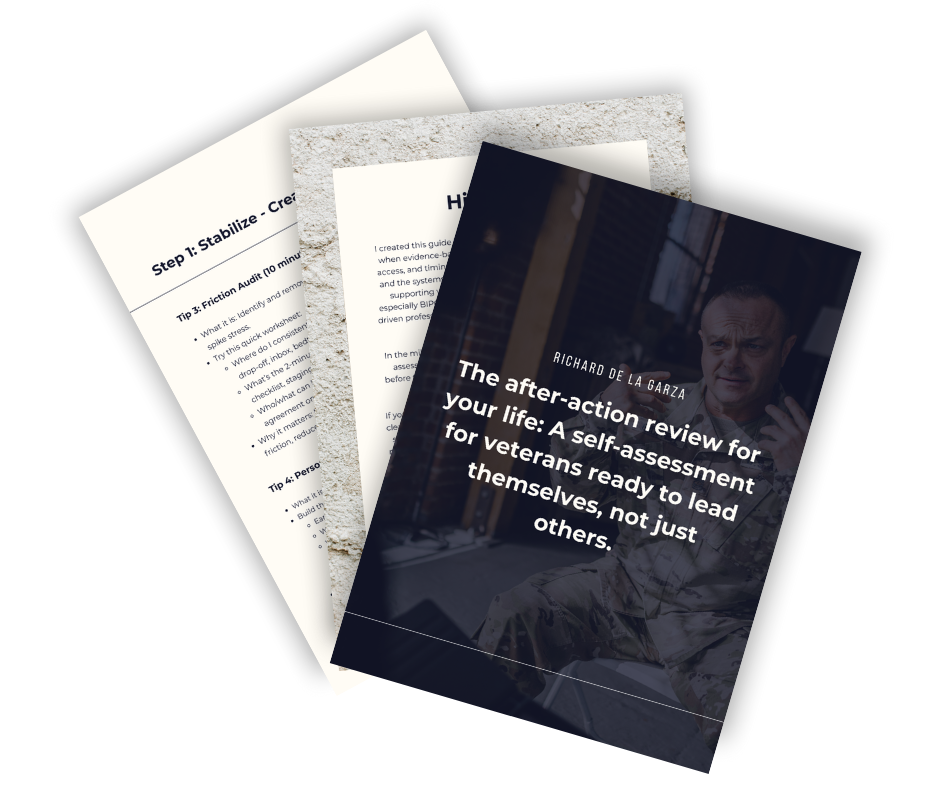
Investment & What’s Included:
I believe in being clear and transparent about pricing, so you know exactly what you’re saying “yes” to.
Complimentary Consultation
START NOWI offer a complimentary 15‑minute phone consultation. During this call, you’ll have the opportunity to share your needs and ask questions.
If you prefer, you can request a consultation via email using the contact form; however, I find that a brief verbal conversation often makes it easier to communicate what you’re looking for.
I invite you to ask about:
- The therapy process in general
- My therapeutic approach
- Payment and logistics
So you can make an informed choice about whether my services are the right fit for you.
- The therapy process in general
Option 1: Individual Session
START NOWInvestment:
- Telehealth (online): $250 per 50‑minute session
- In‑person (only in San Diego, CA): $300 per 50‑minute session
- Students (current full‑time with valid ID): $200 per 50‑minute session
The same 50‑minute session rate applies whether you are an individual, couple, or family.
Includes:
- One 50‑minute 1:1 session (online or in‑person), centered on your current needs and capacity
- Liberation‑rooted, nervous‑system‑informed support (not a one‑size‑fits‑all script)
- A brief post‑session summary with 1–3 grounded practices or reflections to explore
- An email check‑in within a week to support integration and answer clarifying questions
Option 2: Deep Dive Series (6 Sessions over 3 Months)
START NOWInvestment:
$1,500 for 6 sessions
(Payment plans available: 2-3 months, 4+ months
Includes:
- Six 50‑minute 1:1 sessions, scheduled over approximately 3 months
- A shared roadmap we co‑create, grounded in your values, goals, and capacity
- Freire‑inspired reflection + action practices tailored to your real‑life context
- Access to custom resources (handouts, nervous‑system exercises, journaling prompts)
- Brief email support between sessions for questions and check‑ins
- Six 50‑minute 1:1 sessions, scheduled over approximately 3 months
Payments
START NOWI do not accept insurance at this time.
I accept the following forms of payment:
- Major credit cards: Visa, MasterCard, American Express, Discover
- Cash, Apple Pay, Venmo, PayPal, and Zelle
- Checks and debit cards without a credit card feature are not accepted.
- No Surprises Act: You have the right to receive a Good Faith Estimate of what your services may cost.
- Major credit cards: Visa, MasterCard, American Express, Discover
FAQ
Can I get support for depression without a formal diagnosis first?
Yes. You do not need a diagnosis to start therapy. An evaluation early in the process can help clarify what you are experiencing and guide the right approach, but reaching out itself is the first step.
How long does depression treatment typically take?
Most people start to see improvement after 6 to 12 therapy sessions, but treatment duration varies. Longer standing depression may require ongoing therapy for several months or longer.
How do I know if my depression is tied to a specific life event or transition?
If your symptoms started during or shortly after a major transition, loss, or period of prolonged stress, that timing can offer useful clues. An evaluation can help connect the dots and shape a treatment approach suited to what you have been through.
Is it normal to feel worse before feeling better in therapy for depression?
Yes, that's common. As you begin talking about painful memories or life stressors, symptoms can temporarily intensify. This usually means the therapy is working through the root causes. Your therapist will guide you through coping techniques to stabilize mood during those early phases.
Is depression therapy confidential?
Yes. All therapy sessions are protected under HIPAA and standard privacy laws. Your information is confidential and not shared with employers or other parties unless you give written consent or there is an immediate safety concern.