Therapeutic Horseback Riding for Veterans vs Traditional Talk Therapy: Which Approach is Best for You?
Healing after military service does not look the same for everyone. Some find relief and insight sitting across from a counselor while others crave movement, connection with animals, and a space where healing is anchored in the present moment. Over the years, I have come to appreciate both approaches with my clients: the structured depth of traditional therapy and the unique transformation that happens through therapeutic horseback riding. As a military life family counselor and therapist for men, my goal is not to promote one method as the answer for all. Instead, I want to lay out what each option offers, when it works best, and how you can decide which path supports your life right now.
What is therapeutic horseback riding for veterans?
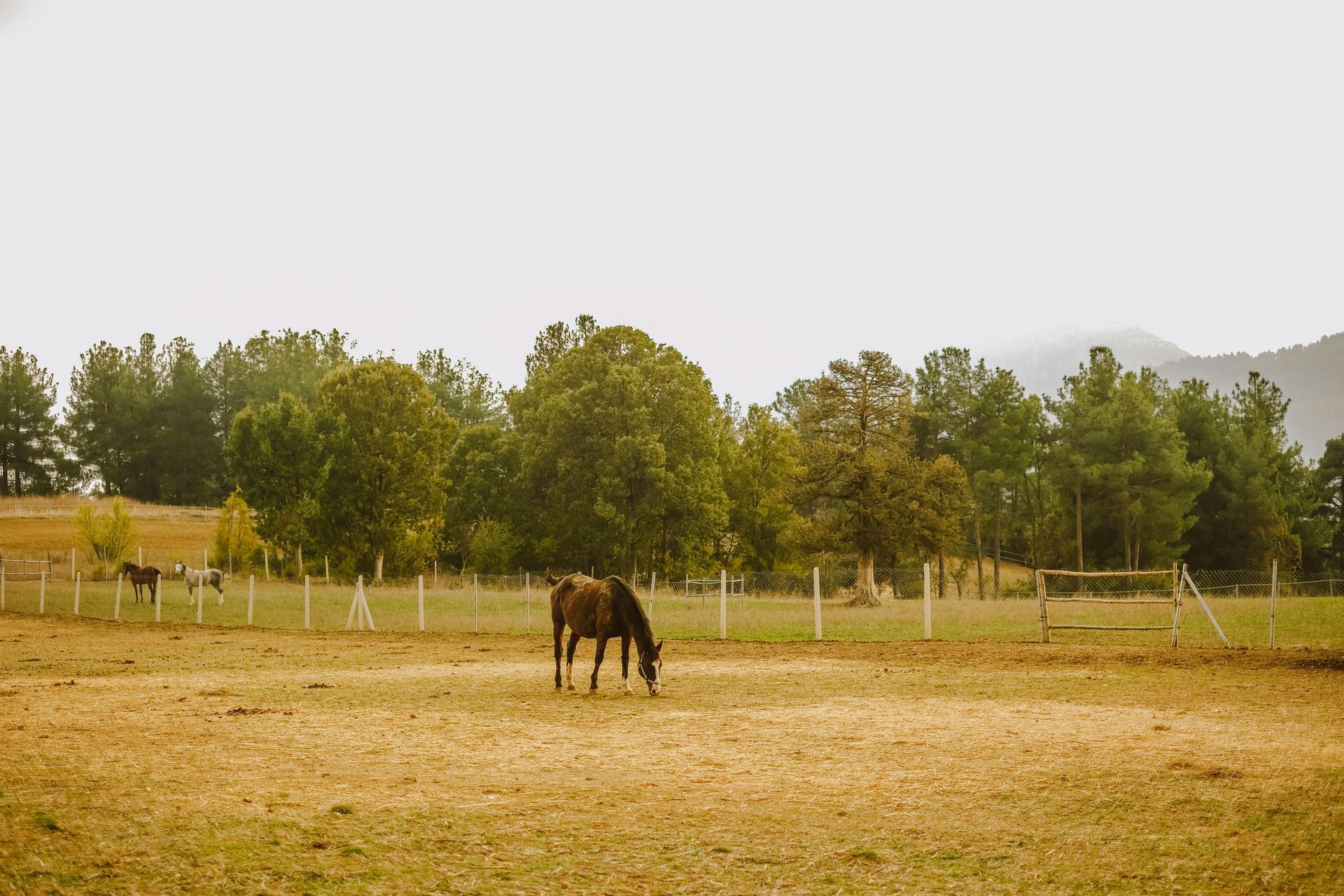
Therapeutic horseback riding, also called equine-assisted therapy, uses the natural, rhythmic movement of a horse to support physical, emotional, and psychological healing. For military veterans, this can be a powerful shift. Riding brings you out of your head and into your body. It asks for focus, balance, and trust, skills that are challenged but also strengthened by the experience. Many programs are tailored for veterans coping with post-traumatic stress, anxiety, depression, or the legacies of physical injuries.
Main benefits of therapeutic horseback riding for veterans
- Embodied healing: Working with a horse invites veterans to notice sensations, manage tension, and regulate the nervous system in real time.
- Relationship building: Horses respond honestly and invite calm, steady leadership, which is healing for those who feel misunderstood by people.
- Nonverbal connection: For veterans who struggle with words, horses offer a way to heal without having to talk everything out.
- Stress reduction: The barn or riding arena is a break from clinical settings. Nature, movement, and animal connection lower anxiety in unique ways.
- Sense of mastery: Learning to ride, groom, or lead a horse gives practical accomplishments that can restore self-esteem and agency.
Who might be a good fit for therapeutic horseback riding?
This approach often helps veterans who find traditional talk therapy difficult or overwhelming. It is also a strong fit for those who feel anxious, tense, or stuck in their body; have tried counseling but felt "talked out" or unable to articulate experiences; prefer action or hands-on activities instead of extended conversation; carry trauma and need gentle ways to regulate emotions without reliving old pain in detail; or are looking for experiences that support emotional growth and confidence outside of an office.
In my experience, some veterans find that even a handful of sessions with horses leads to breakthroughs. Others use it as a complementary tool alongside traditional therapy for a more comprehensive healing process.
What does traditional talk therapy offer veterans?
Talk therapy remains a cornerstone for many veterans and their loved ones. Here we focus on structured conversation, exploration of your story, and skill-building for insight and healthy decision-making. Typical sessions involve setting goals, learning new ways to handle triggers, and unpacking patterns developed both in and out of uniform. There is room to be direct, vulnerable, and supported, sometimes for the first time without judgment.
Key benefits of traditional talk therapy for veterans
- Depth and language: Talking allows you to name and work through old wounds or changing identities with guidance and confidentiality.
- Relationship repair: The focus on communication skills and insight is invaluable in restoring family, friendship, or romantic connections.
- Support for transitions: From retirement to new careers, therapy helps map out new roles and routines for life after service.
- Safe processing of trauma: With the right therapist, exploring difficult memories or triggers is paced and protected within clear boundaries.
- Building emotional resiliency: Traditional therapy provides reliable structure, feedback, and practical strategies for daily life.
Who might benefit most from talk therapy?
Talk therapy is a match for veterans who feel ready to verbalize struggles, are seeking new ways to navigate relationships or future goals, or want support for anxiety, depression, or the impact of trauma in a direct and structured setting. For some, this opens doors to new insight or helps make sense of transitions that never got talked about in the past. If you and your partner are seeking support from a military life family counselor , these sessions focus on honest dialogue and relationship repair grounded in lived experience.
Can you combine both forms of therapy?
Many veterans find their greatest improvements when different therapies are combined. Equine-assisted activities build trust, calm, and confidence that then show up inside the therapy office. What you learn in traditional sessions can help you approach new challenges at the barn. Ultimately, your path should align with your personal needs, history, and goals. There is no wrong order. Progress comes from showing up with curiosity and an open mind.
Potential limitations and considerations for each approach
Therapeutic horseback riding may not be suitable for those with certain physical limitations, allergies, or fear of large animals. Most programs prioritize safety but will require some degree of mobility. Talk therapy relies on your willingness to trust and engage verbally. Progress is sometimes slower for those who find it hard to put their feelings into words. Both approaches require regular participation and openness to change. The best outcomes are seen when veterans feel a sense of agency in choosing and shaping their healing path.
How to choose: personal factors that matter
- Access and availability of services in your area
- Your comfort level with animals, movement, and outdoor environments
- Interest in verbal exploration versus experiential healing
- Physical health and mobility
- Your goals for therapy: more insight, emotional stability, connection, or new ways of coping
Support options and starting the process
San Diego offers a range of programs for veterans interested in equine therapy as well as traditional individual, couples, or family counseling. No single program fits every story. As a military life family counselor, my approach is to help you map options and encourage you to choose the one that brings the most honest healing and change. Whether you want to try something new, deepen your skills, or combine both paths, what matters is you do not walk this alone.
Ready for a new approach to healing or rebuilding after service
You do not have to choose between action and insight. Healing is as personal as your story. For guidance on navigating both traditional and alternative therapies, or if you want real partnership as you explore what is next, reach out. For therapy that respects military culture and your unique process, I invite you to connect with therapy in San Diego, CA. Your next step toward calm, connection, and growth begins whenever you are ready.
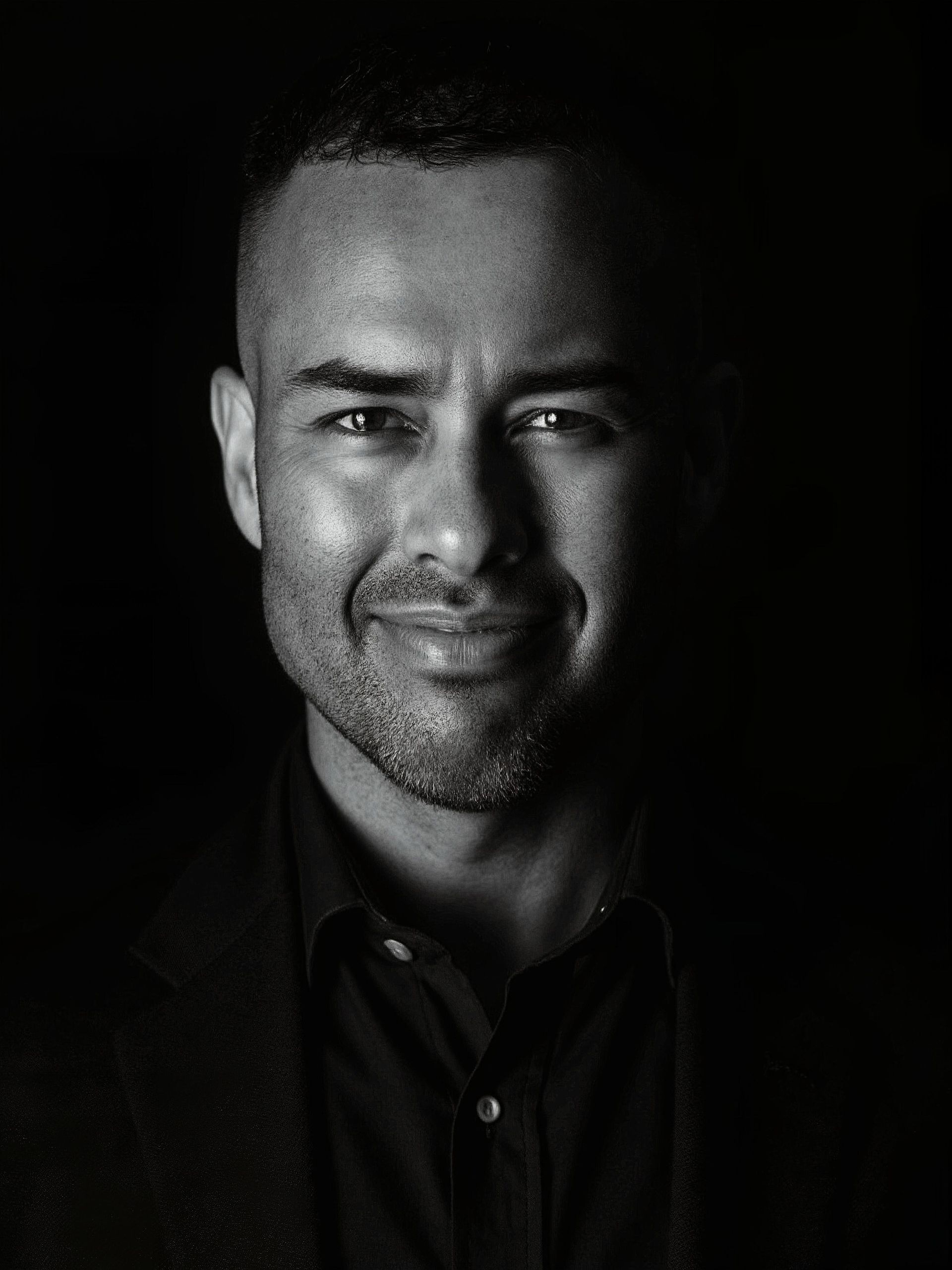
Hi, I’m Dr. Richard de la Garza
I specialize in liberation-rooted support for veterans, military-connected individuals and families, with a particular commitment to BIPOC and LGBTQ communities.