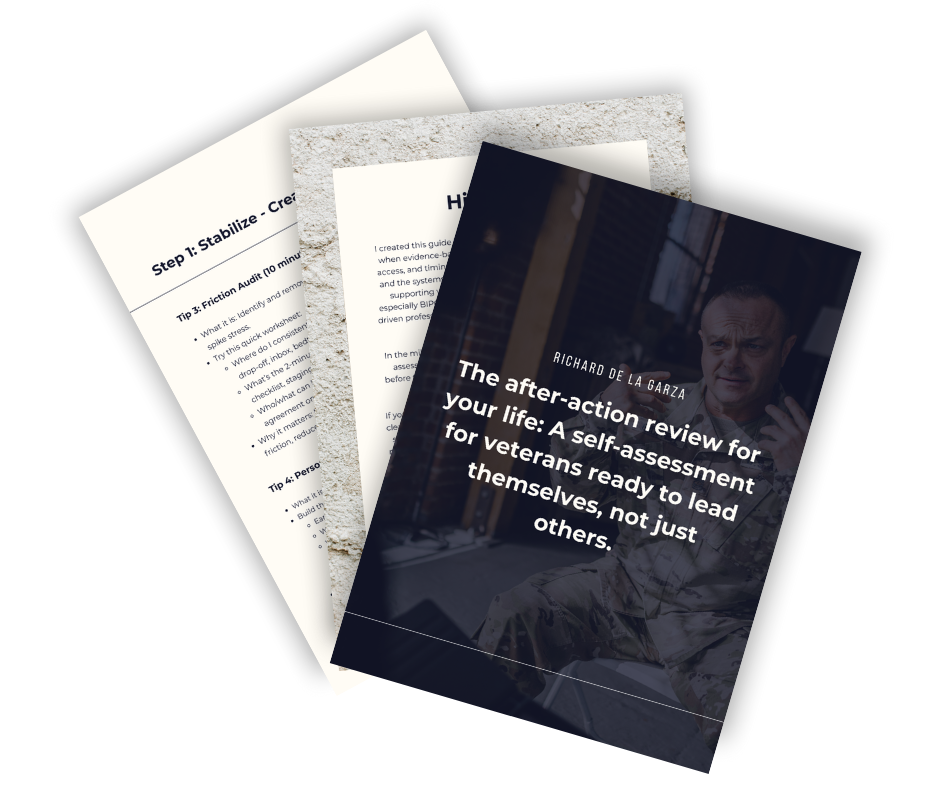
Veteran Suicide Hotline: Fast Support and the Path Toward Real Healing
When the weight of stress, trauma or despair feels overwhelming, reaching out quickly can make all the difference. The veteran suicide hotline is available so no veteran or military family member ever has to face a crisis alone. If you or someone you care about is struggling, confidential help is available now, and real recovery is absolutely possible. Alongside immediate support, I believe in longer-term options that guide you from crisis to genuine healing. If you are looking for professional therapy after a crisis or just want to start your own process in a safe space, explore individual therapy for veterans or consider trauma therapy for deeper support. Taking any step toward help is an act of courage, not failure.
I am Richard de la Garza, therapist for men, and I know that every veteran's story is unique. In my work with veterans and military-connected families, I have seen how critical both immediate intervention and steady follow-up care can be. You deserve support that respects your strength and honors your lived experience.
What is the veteran suicide hotline and how does it support veterans
The veteran suicide hotline is a 24-hour, confidential line dedicated to U.S. military veterans and their loved ones. It puts you in instant contact with counselors trained in military culture, combat stress, PTSD, and the needs of families in transition. Whether calling, texting, or chatting online, you can expect your concerns to be met with empathy and practical assistance, never with judgment.
How to contact the veteran suicide hotline
- Call or text 988, then press 1 to reach the dedicated veteran support line
- Access live chat via the Veterans Crisis Line website at veteranscrisisline.net. Confidential support available everywhere in the U.S., 24 hours a day, every day of the year
When should veterans or loved ones call the hotline?
The hotline is for anyone feeling hopeless, overwhelmed, or considering self-harm. Family members and friends are encouraged to call if they are concerned about a veteran's safety or mental health. Common warning signs that may prompt a call include talking about wanting to die, withdrawing from friends or activities, expressing unbearable pain or guilt, acting anxious or agitated, or showing sudden mood changes. Do not try to carry this alone. The best moment to call is whenever you notice distress, not just in emergencies.
What happens when you reach out
When you call the veteran suicide hotline, you speak directly with a trained responder who listens, helps you stabilize and breathe, and offers options for safety and continued support. These professionals have real experience with issues unique to veterans: combat trauma, moral injury, loss, transition stress, relationship strain, and the impact of military culture. They can also connect you to local interventions if immediate in-person help is needed or help you plan next steps for ongoing care.
What comes after the crisis: therapy and rebuilding support
Surviving a crisis is the first victory, but lasting recovery requires real connection and skilled care. Following a hotline call, many veterans find it helpful to access individual therapy for support tailored to their lived experience. Learn more about trauma therapy.
Trusted resources for veterans in crisis:
- Veterans Crisis Line- Call or text 988 and press 1 for immediate help
- Make the Connection- Veteran stories and mental health resources
- The Trevor Project- Crisis support for LGBTQ+ veterans
- Individual Therapy for Veterans
- Trauma therapy for recovery after crisis or PTSD
Breaking stigma and building hope: what every veteran needs to know
Too many veterans carry a belief that they must endure pain in silence. In reality, real strength is choosing to act, to reach out whether for yourself or a fellow veteran. Organizations, hotlines, and clinicians exist because you matter and because connection is the most reliable path out of despair.
If you are looking for steady support, personal growth, and a return to leadership in your own life, connect with therapy in San Diego, CA. My approach is confidential, trauma-informed, and grounded in dignity. Your story moves forward now, one step and one conversation at a time.

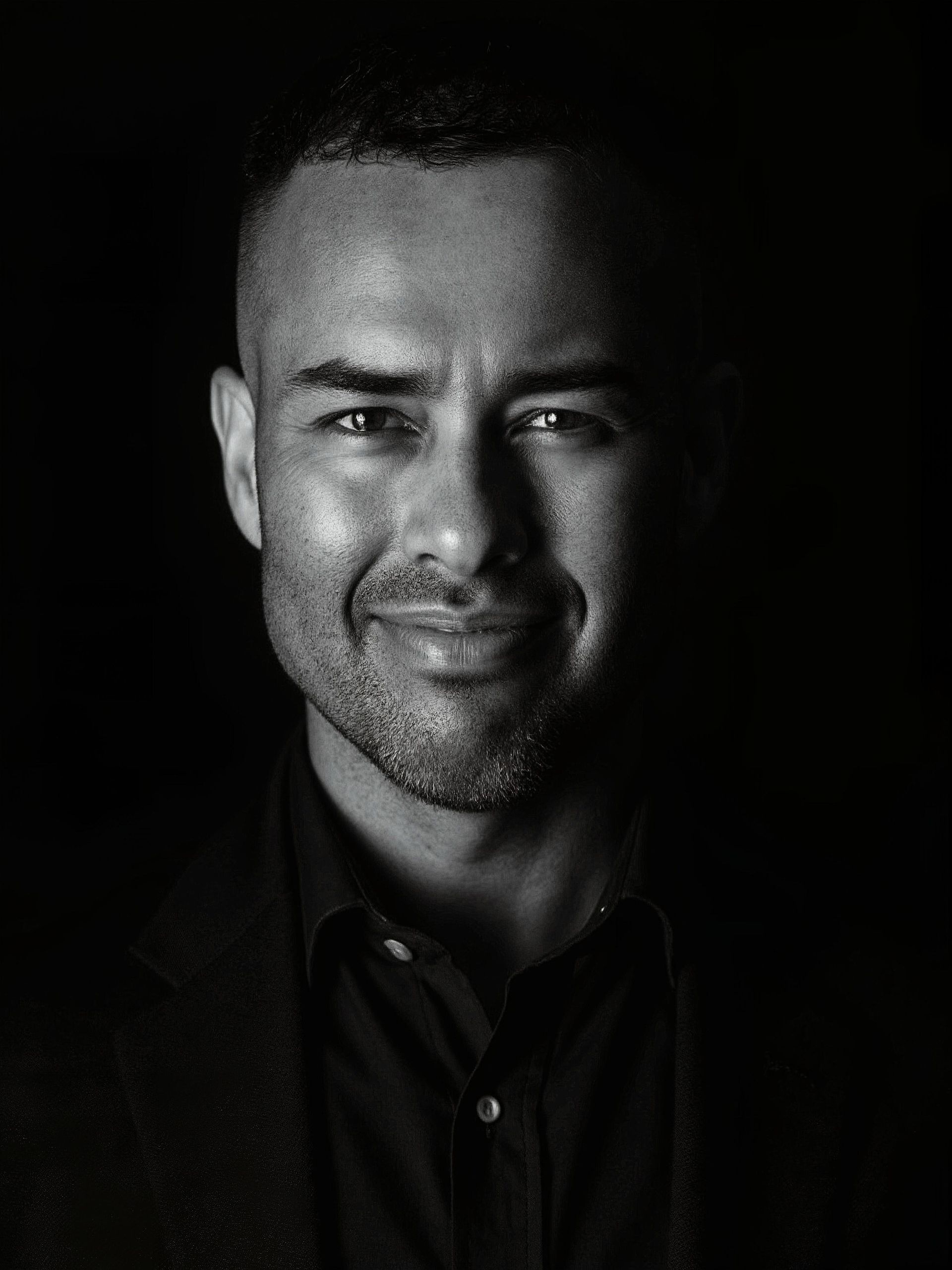
Hi, I’m Dr. Richard de la Garza
I specialize in liberation-rooted support for veterans, military-connected individuals and families, with a particular commitment to BIPOC and LGBTQ communities.