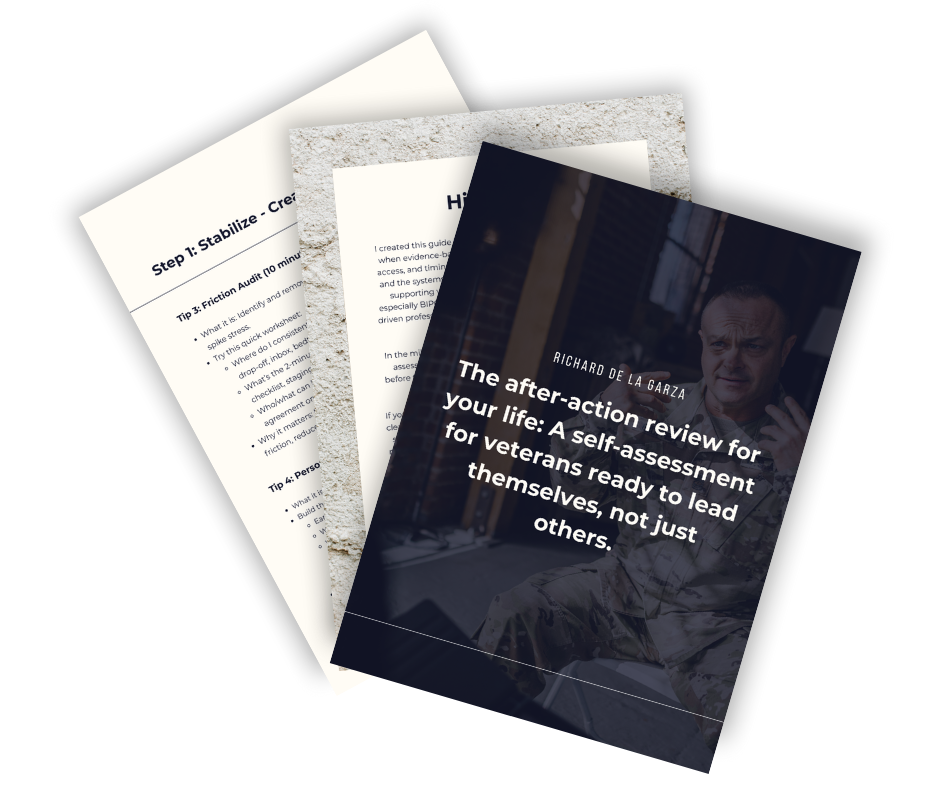
What military leadership training actually teaches organizations
Most people hear "military leadership training" and picture a drill sergeant barking orders until a room full of adults salutes on command. That image is popular, and it is almost entirely wrong. The leadership I learned in uniform, and the leadership I now teach to organizations, has very little to do with rank and almost everything to do with trust, consistency, and the willingness to have hard conversations before they turn into hard problems.
In case you are new here, I am Richard De La Garza, offering therapy for veterans and helping veterans and military connected individuals navigate the transition from survival to leadership with dialogue centered, trauma informed care. Organizations often reach out to me first for speaking or consulting, then discover the deeper clinical foundation behind the work once they see how it changes their teams.
I get asked about this constantly, usually by executives, school administrators, or nonprofit directors who sense that something is missing in how their teams lead each other. So I want to walk through what military leadership training actually teaches, why it translates so directly into civilian organizations, and what it looks like when I bring it into a workplace.
What is military leadership training, really
Military leadership training is the structured process by which the armed forces teach people to lead small teams under pressure, then larger teams, then entire organizations. It is built around the idea that leadership is a skill with a curriculum, not a personality trait some people are simply born with. That distinction matters more than almost anything else in this conversation.
Why civilian organizations are looking to military models
Organizations come to this training because they are tired of promoting their best individual performer into a leadership role and watching that person struggle. The military figured out decades ago that technical skill and leadership skill are different disciplines. A team's top salesperson or top engineer is not automatically equipped to lead other people. Military training treats leadership as something you build deliberately, with feedback, repetition, and real consequences when it is done poorly. Civilian organizations are realizing they have been skipping that step and hoping talent alone would fill the gap.
What this training is not (command and control myths)
The biggest misconception I correct in almost every workshop is the assumption that military leadership means barking orders and expecting silent compliance. That model exists in basic training for a narrow, specific purpose. It is not how experienced military leaders actually run teams once lives and missions are genuinely on the line. Real military leadership is closer to what Paulo Freire called praxis: naming what is actually happening, reflecting honestly on it together, and taking action from that shared understanding rather than from a directive handed down. I did not learn to demand obedience as a direct commissioned officer. I learned to ask better questions and to make sure the people I led understood why an order existed, not just what it was.
What core principles does military leadership training teach
Once organizations get past the myths, they want to know what actually gets taught. Four principles show up again and again in military leadership curricula, and I use all four when I work with organizations. They also mirror the same three-phase framework I use in individual therapy: stabilize first, align next, lead always. A team that is not stabilized cannot absorb feedback, and a team that has not aligned its values and roles cannot sustain leadership under pressure.
Dialogue over directives
The temptation for a new leader is to solve every problem by issuing a directive. Military leadership training pushes against that instinct. You are taught to ask your team what they are seeing before you tell them what to do. In practice, that looks like a squad leader stopping before a mission brief to ask the newest private what he noticed on the last patrol. That habit, carried into a civilian team meeting, changes who feels safe speaking up and who stays quiet until it is too late.
Consistency over intensity
Military culture has a reputation for intensity, but the leaders who actually last are the ones who are consistent, not the ones who run hot. A leader who keeps small promises every single day builds more trust than one who delivers a single dramatic gesture once a quarter. I tell every organization I consult with the same thing I tell my clients in the therapy room: calm first, alignment next, leadership always. Intensity burns people out. Consistency is what people actually follow.
Shared power and clear agreements
Military hierarchy is often mistaken for a system where power sits entirely at the top. In well run units, power is distributed on purpose. A sergeant has explicit authority over specific decisions. A lieutenant has authority over others. Everyone knows exactly where their lane starts and ends, which prevents the confusion that plagues most civilian organizations, where two people quietly assume they own the same decision until it blows up in a meeting.
Integrity as a daily practice, not a slogan
Every organization claims to value integrity. Military leadership training treats integrity as a set of daily, checkable behaviors rather than a value statement on a wall. Did you do the after action review honestly, including your own mistakes? Did you report the real numbers even when they were bad? Integrity in this context is not abstract. It is a habit you either practice today or you do not.
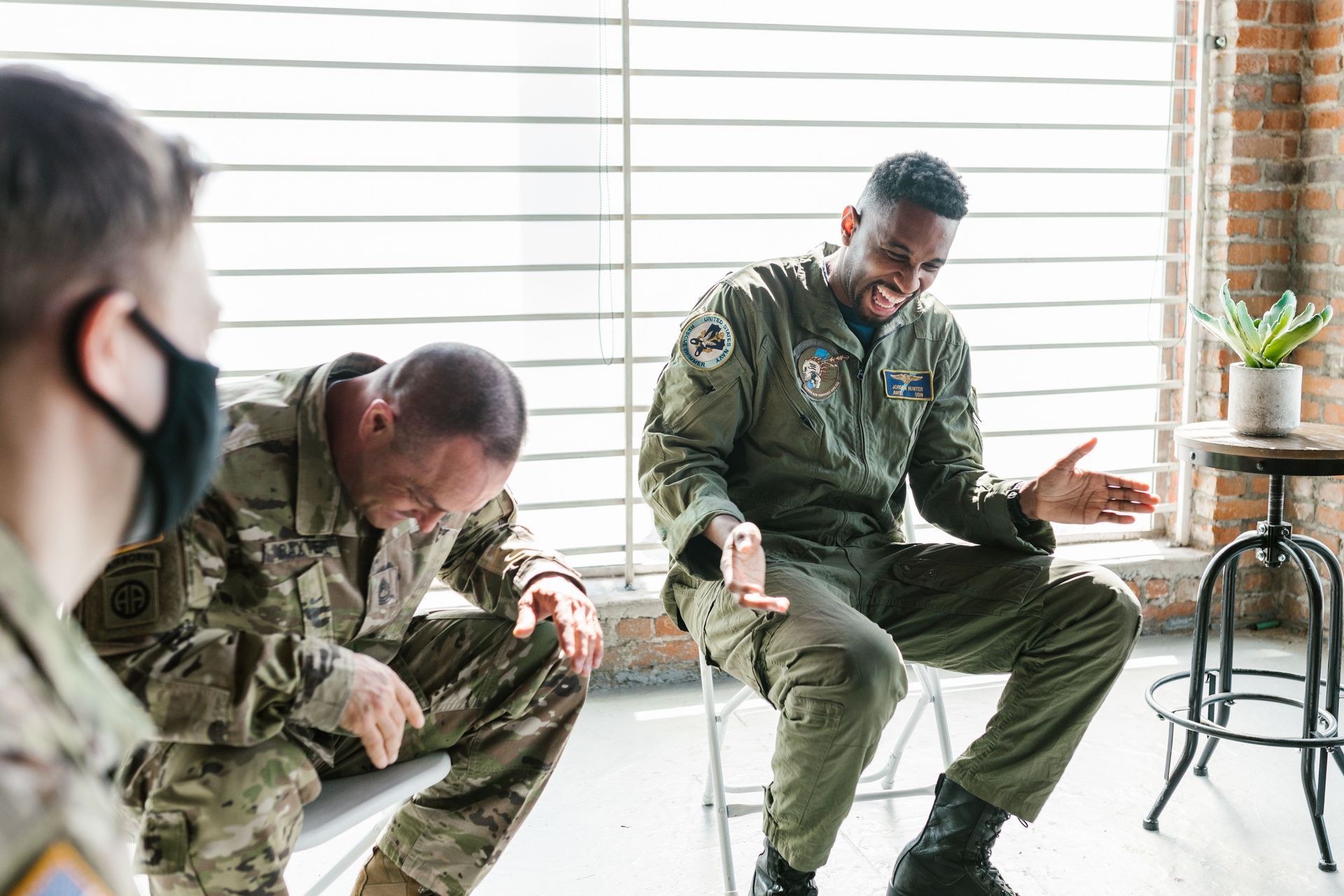
What leadership traits does military training develop
Beyond principles, military training develops specific, observable traits. These are the traits I look for when I assess a leadership team, and the ones I help organizations build deliberately.
Judgment under pressure
Judgment is the ability to make a sound decision with incomplete information while people are watching and the clock is running. It is not something you can lecture someone into. It is built through repeated exposure to realistic, high pressure scenarios followed by honest feedback. Organizations that want this trait in their managers need to create low stakes versions of high pressure moments, not just send people to a seminar.
Dependability that outlasts a crisis
Dependability gets tested precisely when it is inconvenient. Anyone can follow through when things are calm. Military training measures a leader by what they do in the six months after the crisis has passed and everyone else has moved on to the next fire. I have seen organizations lose good people simply because a leader was dependable during the emergency and disappeared once things quieted down.
Endurance versus burnout
Endurance is not the same as grinding until you break. Military training actually spends significant time teaching leaders to manage their own capacity, because a leader who burns out takes the whole team down with them. I work with a lot of veterans who never learned this distinction in service and paid for it later. This same blind spot shows up at home long before it shows up at work. Partners of veteran leaders often notice the toll of overextension months before the leader does, which is part of why I point families toward dedicated support like therapy for military spouses rather than expecting one person to absorb the whole cost of someone else's burnout. Teaching endurance properly means teaching leaders when to rest, not just how to push.
Loyalty that goes both directions
Loyalty in military culture is not a one way demand from the top down. The leaders who earned real loyalty from their soldiers were the ones who were fiercely loyal to their soldiers first. That reciprocity is one of the most underused ideas in civilian management, where loyalty is too often treated as something employees owe leadership by default. It is also part of why so many veterans, once they leave service, actively seek out structured peer communities like veteran support groups. They are looking to replace the forced cohesion of a unit with something that still holds them accountable to each other.
What lessons can organizations take from military leadership training
When I distill this into practical lessons for an organization, four rise to the top every time.
Leadership is taught, not assumed
If your organization is promoting people into leadership without any structured training, you are gambling. Military organizations do not make that bet. Every rank increase comes with a corresponding leadership course. Civilian organizations that skip this step are relying on hope, and hope is not a strategy.
Small, kept promises build trust faster than big gestures
I mentioned this earlier because it deserves repeating. If you want a team to trust its leadership, stop looking for the big morale event and start looking at whether leaders keep the small commitments they made in last week's meeting.
After action reviews over blame
Military units run an after action review after nearly everything, successes and failures alike. The format is simple: what was supposed to happen, what actually happened, why there was a difference, and what will change next time. Nobody is blamed. Everybody is accountable. That distinction alone would fix a huge amount of dysfunction in most civilian teams I have worked with.
Translating rank based authority into earned authority in civilian teams
The hardest lesson for veterans transitioning into civilian leadership, and the one I spend the most time on in individual coaching, is that rank does not exist in most civilian workplaces. Authority has to be earned through relationship and consistency instead of granted by a uniform. Organizations that understand this help their veteran hires translate their skills instead of expecting the old hierarchy to transfer automatically.
What good leaders share in common, according to military training
Strip away the branch specific language and a few qualities show up across every service and every era of military leadership doctrine.
Clarity over charisma
Charismatic leaders get remembered. Clear leaders get followed under pressure. Military training consistently favors clarity, because in a crisis nobody has time to interpret a charming but vague instruction. I train leaders to communicate so plainly that there is no ambiguity about what needs to happen next.
Presence during hard conversations
The leaders soldiers trust most are not the ones who avoid difficult conversations. They are the ones who stay present, calm, and direct when a conversation gets uncomfortable. I bring that same presence into the therapy room and into every organizational engagement I run, because avoidance is the single most common leadership failure I see in civilian settings.
How organizations bring this training to their teams
Most engagements start with a conversation about where leadership is actually breaking down, not a generic training package pulled off a shelf. I ask direct questions about where trust has eroded, where promises have gone unkept, and where authority is unclear, drawing on my doctoral training in leadership and my years across hospitals, community clinics, and federal systems as much as my own time in uniform.
Workshops and keynotes versus ongoing consulting
A single keynote can shift how a room thinks about leadership for an afternoon. It rarely changes behavior on its own. I offer both formats because organizations need different entry points. Some start with a keynote to build momentum. Others go straight into ongoing consulting because they already know a single event will not fix a pattern that took years to form.
What a first engagement typically looks like
From that first conversation, I design a program using the same dialogue based approach I bring to individual therapy, because military mental health consultant & speaker work is at its best when it is built around the specific people in the room, not a template.
Ready to build leaders your team actually trusts
If you are trying to figure out how to bring real leadership development into your organization, you are not the first person to feel stuck between generic corporate training and something that actually reflects how military leaders are built. That gap is real, and closing it takes more than a slide deck.
I help organizations design leadership development that holds up outside the training room, drawing on my background as a clinical social worker, a doctoral scholar, and a veteran who has lived both sides of this transition. Whether you need a keynote, a workshop series, or ongoing consulting and clinical leadership support, the goal is the same: leadership that people can actually follow when things get hard.
I work with organizations in and around San Diego, as well as Los Angeles and San Marcos, though much of this work happens virtually as well. Book your consultation today.
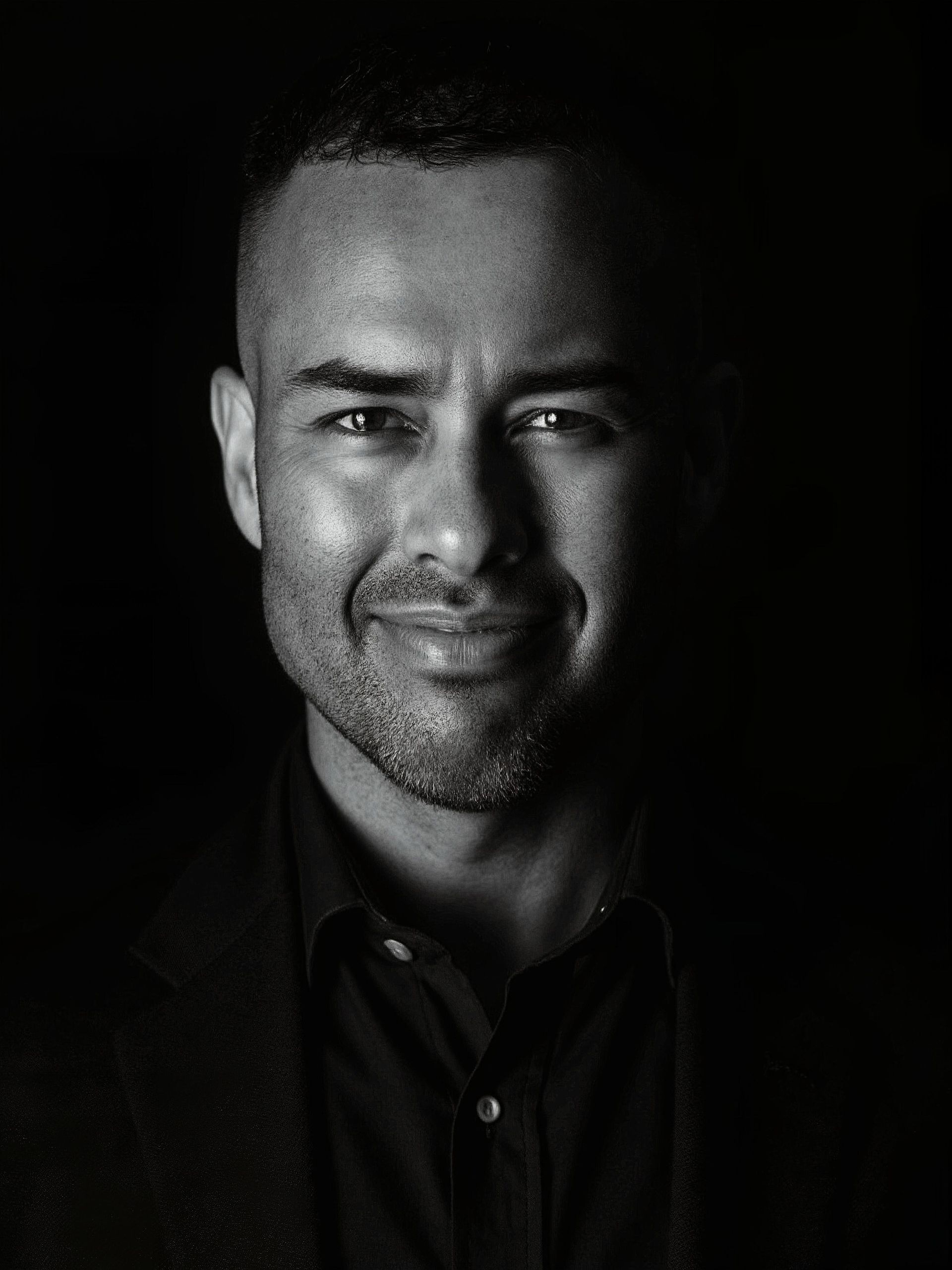
Hi, I’m Dr. Richard de la Garza
I specialize in liberation-rooted support for veterans, military-connected individuals and families, with a particular commitment to BIPOC and LGBTQ communities.