Military Therapy: How to Find the Right Support During and After Service
For veterans and military connected families, mental health support is not just a need. It is a matter of dignity and leadership. Too many leave service carrying invisible wounds, constant vigilance, and responsibility that never lets up. Access to military therapy makes it possible to move beyond survival and into authentic steady living.
In case you are new here, I am a therapist for men and veterans committed to turning recovery into growth. If you want to learn more about who I am and what shapes this work, you can explore therapy for veterans.
What is military therapy?
Military therapy is a specialized approach that acknowledges the reality of service, training, bond, trauma, and the intense transition to civilian life. It centers the lived experience of veterans, offering a confidential and nonjudgmental space where burdens are shared, not scrutinized.
What does a military therapist do?
A military therapist is trained to recognize service related stress, trauma, and cultural challenges. The work involves more than managing symptoms. It includes helping clients reconnect with their values, map new structures for everyday stability, and rebuild trust after institutional breakdowns. This approach is shaped by lived military experience, so therapy does not stay abstract. It becomes actionable, practical, and anchored in the realities veterans face daily.
Is therapy confidential for service members?
Absolutely. Ethical therapy for veterans is always confidential except in rare circumstances required by law, such as imminent harm. For many, this assurance is crucial. Recovery depends on trust that what is shared in session will not impact career, reputation, or benefits. Confidentiality is the ground from which honesty and real change can emerge.
What are the benefits of military therapy?
The benefits of military therapy are more than symptom relief. It offers clarity, grounded calm, and the chance to reclaim agency and direction. This work addresses the chronic state of readiness many veterans carry, transforming it into presence, leadership, and genuine relief.
Is therapy effective for veterans?
Quality military therapy is effective because it is not one size fits all. It adapts to each person's service history, identity, and post service goals. Veterans report greater emotional stability, improved relationships, and increased confidence when therapy respects their experience and nurtures leadership instead of just managing crises. Numerous studies, including those highlighted by the National Center for PTSD, support these outcomes.
What types of therapy are offered for veterans and military families?
Therapy for veterans and their families spans many modalities. Common options include cognitive behavioral therapy, trauma informed care, EMDR, group sessions, and family systems therapy. Approaches are selected based on what fits the client's needs, history, and readiness for change.
What types of therapy are offered?
Core options include PTSD focused modalities such as EMDR and cognitive processing therapy, anxiety and depression treatment, and support groups that strengthen community. Some practices, including mine, also provide leadership coaching and awareness for veterans navigating post service transitions.
Can family attend military therapy sessions?
Yes, families play a critical role in military therapy. While some sessions are for the veteran alone, many welcome partners, children, or close supporters when appropriate. Family participation can help resolve misunderstandings, support communication, and build a stronger foundation for ongoing growth.
Military PTSD treatment options in California
PTSD treatment for military personnel includes both established and innovative options. Evidence based therapies such as EMDR, prolonged exposure, and group processing are widely available. For many, trauma informed care provides a way to not only address symptoms but to rebuild trust in oneself and the world. Local resources ensure that veterans are not left to struggle alone. If you are looking for more information, I encourage you to explore veteran support and veteran support groups in California and nearby areas.
Best therapists for veterans in San Diego and nearby areas in California
The best therapists for veterans combine deep knowledge of military culture with specialized training in trauma, transition, and leadership development. Look for providers who understand both systemic barriers and the intense sense of responsibility veterans carry into civilian life. Personal connection, transparent communication, and a philosophy that centers your agency are key.
How to find a military therapist in California and nearby areas
Start by searching established directories and professional associations focused on veteran mental health. Ask potential therapists about their experience with veterans and their approach to integrating lived experience into therapy. Use your network because referrals from fellow veterans or trusted organizations often lead to providers who truly understand the journey. For a trusted starting point, you can explore my military transition counseling service and details about my method and philosophy.
Are there free therapy services for veterans?
Yes. Several organizations provide low cost or free therapy for veterans, including the local VA, Vet Centers, and select nonprofits. While some require proof of service or intake processes, others will work with you to determine eligibility. No one should be denied care for lack of resources. If cost is a concern, ask your provider directly about options or sliding scale arrangements.
Ready for therapy that honors your service
If you are seeking therapy in San Diego, CA that puts stability, dignity, and leadership first, reach out today. Let us build a plan that supports real change so you can lead with strength both in and beyond the room.
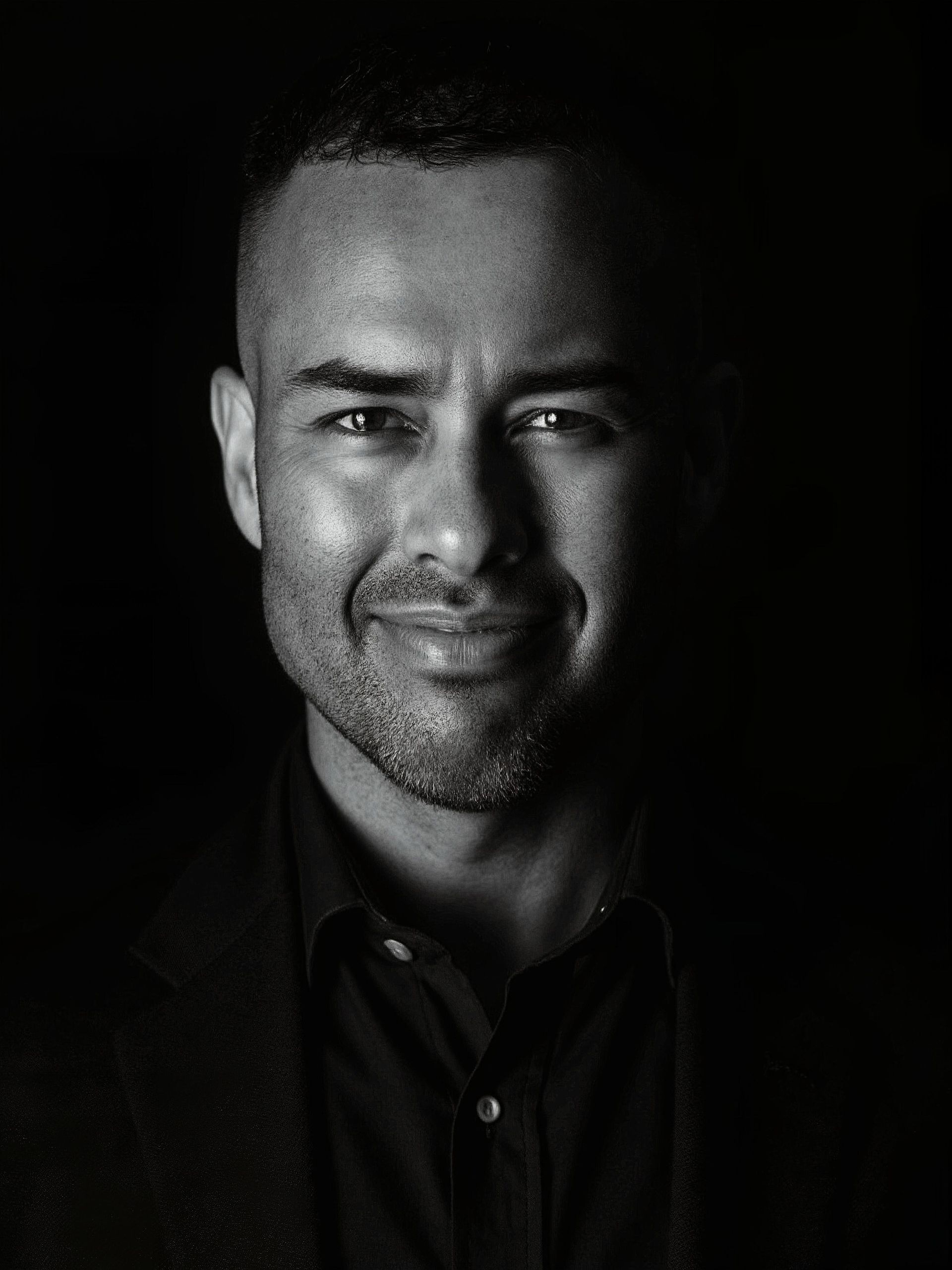
Hi, I’m Dr. Richard de la Garza
I specialize in liberation-rooted support for veterans, military-connected individuals and families, with a particular commitment to BIPOC and LGBTQ communities.