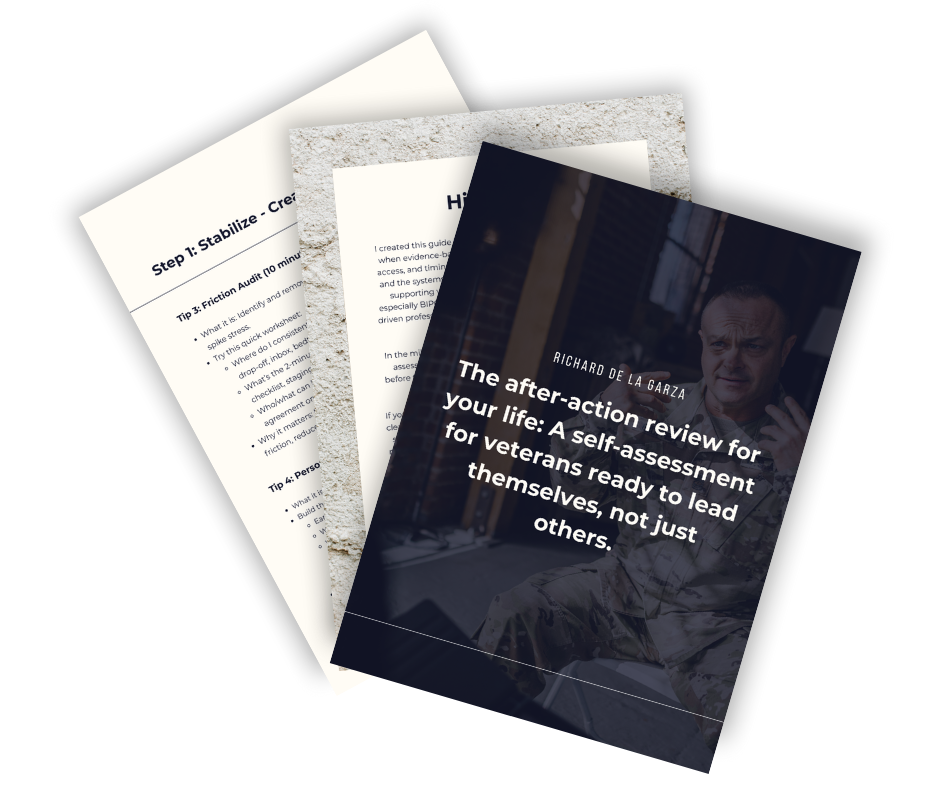
What to look for in a motivational speaker who has actually lived the message
Event planners reach out to me with the same worry almost every time. They have booked a motivational speaker before, watched the room light up for an hour, and then watched everything fade by the following Monday. They do not want another highlight reel. They want a speaker whose message survives contact with an actual workday.
In case you are new here, I am Richard De La Garza, offering therapy for veterans and helping veterans and military connected individuals navigate the transition from survival to leadership with dialogue centered, trauma informed care. Organizations often book me first as a speaker, then discover the deeper clinical foundation behind the talk once they see how it changes the conversations their teams have afterward.
I come to this work from two directions at once: as a licensed clinical social worker who spends my week in the therapy room, and as a U.S. Army veteran who has lived the transitions I speak about. That combination changes what a motivational talk can do, and I want to walk through what it actually means to hire a speaker like this, rather than one whose credibility is built primarily on stage presence.
What does a motivational speaker actually do
A motivational speaker's job is not simply to make an audience feel good for an hour. The job is to give people a new way of seeing a problem they already have, then hand them something concrete to do about it before the feeling fades. Anyone can generate energy in a room. Fewer speakers can generate energy that survives the drive home.
The difference between inspiration and instruction
Inspiration answers the question "why should I care." Instruction answers the question "what do I do on Tuesday." Most motivational content stops at inspiration. I build every talk around both halves, because a room that leaves inspired but without instruction returns to its old patterns within a week.
Why credibility matters more than charisma
Audiences today are more skeptical than they were a decade ago. They can tell the difference between someone performing resilience and someone who has actually lived through the thing they are describing. My credibility does not come from a stage persona. It comes from having served as a direct commissioned officer, having transitioned out of the military myself, and having sat with hundreds of clients doing the same work in the therapy room.
What types of motivational speakers exist, and where I fit
The speaking industry sorts speakers into rough categories: business and leadership speakers, athletes and coaches, personal growth speakers, industry experts, and inspirational storytellers. Most speakers stay in one lane, building an entire career around a single kind of story told in a single kind of way.
The military and veteran lane
Military and veteran speakers draw on service experience to talk about resilience, discipline, and leadership under pressure. This lane resonates because audiences respect what it took to earn that experience, even if they have never served themselves. There is a built-in credibility to having stood in a genuinely high stakes environment that a purely motivational background cannot replicate. Many of the veterans I meet through these engagements go on to find continued connection through resources like veteran support groups, which extend the sense of camaraderie a single keynote alone can't replicate.
Where clinical expertise changes the equation
What most military speakers do not bring is a clinical license. I do, along with a doctorate in the philosophy of leadership from the University of San Diego and clinical training rooted in Paulo Freire's idea of praxis, reflection paired with action. When I talk about resilience, I am not describing a motivational concept. I am describing a set of practices I use with clients every week, backed by training in trauma-informed care and years across hospitals, community clinics, and federal systems. That combination is rare, and it is why organizations that have already tried a standard veteran speaker often come back for something with more depth.
Why this combination matters for topics other speakers avoid
Plenty of motivational speakers can talk convincingly about discipline and grit. Fewer can speak credibly about burnout, hypervigilance, moral injury, or the quiet identity confusion that follows a major life transition, because those topics require clinical understanding, not just personal experience. My background lets me go into that territory directly, in a keynote setting, without the talk becoming a clinical lecture or losing its energy.
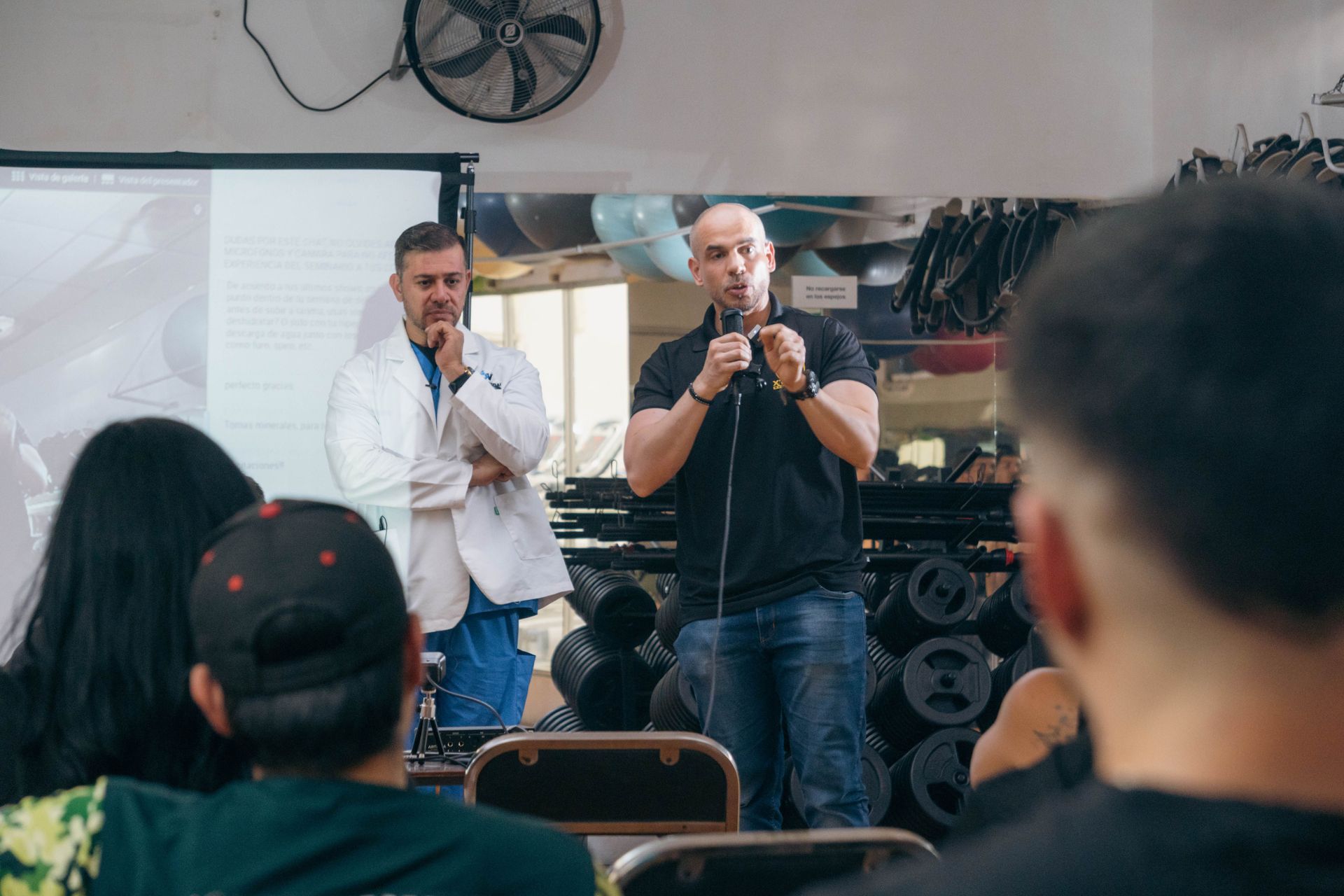
What makes a talk stick after the audience goes home
If a talk does not change Monday morning, it was entertainment, not development. Here is what I build into every engagement to prevent that.
A message built around one core shift, not ten tips
I resist the temptation to cram a talk with ten actionable tips. Audiences remember one idea, deeply understood, far longer than ten ideas skimmed. Every talk I give centers on a single shift, usually some version of moving from survival mode into leadership, and everything else in the talk supports that one idea.
Language people can actually use the next day
I avoid jargon and abstraction. If a phrase cannot be repeated by someone in a hallway conversation the next morning, it does not belong in the talk. That discipline comes directly from clinical work, where a client cannot use an insight they cannot put into their own words.
A call to action that does not evaporate at the exit doors
Every talk ends with something specific the audience can do that week, not a vague call to "be your best self." Specificity is what separates a talk that gets forgotten from one that gets referenced in team meetings months later.
Stories that respect the audience's intelligence
I avoid the trap of using my military background as a prop for shock value. Combat stories told for their own sake entertain for a moment and teach nothing. Every story I tell on stage is chosen because it illustrates the specific shift I am asking the audience to make, not because it is dramatic. My own story, growing up bilingual and bicultural in East Los Angeles, becoming a first-generation college student, and later being diagnosed with a learning difference as an adult, shapes which stories I reach for and why. An audience can tell the difference, and that difference is what earns their trust for the rest of the talk.
How to evaluate a motivational speaker before you book one
Organizations often ask me what they should look for when comparing speakers, even when they are not comparing me to anyone in particular. A few questions matter more than most.
Does their story map to your audience's actual struggle
A powerful personal story is not automatically the right story for your room. I ask event organizers what their team is actually struggling with before I ever build a talk, because the goal is relevance, not just inspiration.
Can they handle a room that does not applaud on cue
Some audiences are skeptical, tired, or resistant, especially in workplaces dealing with real dysfunction. A speaker who only performs well in front of an enthusiastic crowd will struggle in front of a harder room. My clinical background trained me to hold a room's discomfort without losing composure, which is exactly the skill a hard audience requires.
Do they offer anything beyond the stage
The best engagements do not end when the applause does. I offer follow-up options ranging from workshops to ongoing consulting, because a single talk, however good, rarely creates lasting change on its own.
Ask what they will not talk about
A speaker who claims comfort with every possible topic is usually overstating their range. I am direct with event planners about where my expertise is strongest, which is resilience, leadership, trauma-informed performance, and transition, and where another speaker might genuinely be a better fit. That honesty tends to build more trust than a speaker who says yes to everything.
How organizations bring me in as a speaker
Keynotes work best when an organization wants to set a tone, open a conversation, or mark a transition point, such as a leadership offsite or an annual conference. I tailor every keynote to the specific audience rather than delivering a generic talk.
Keynotes for conferences and large events
My talks draw from the same dialogue centered approach I use in the therapy room, not a rehearsed script disconnected from real clinical insight. I speak with educators, clinicians, leaders, advocates, and community centered professionals, with particular attention to how these conversations land for BIPOC and LGBTQ audience members who are rarely centered in standard leadership content.
Smaller workshops for teams that need more depth
Smaller groups allow for real dialogue instead of one-way delivery. When an organization wants their team to actually practice the ideas in the room, not just hear them, a workshop format works better than a keynote, and it connects naturally into military mental health consultant & speaker engagements that continue past the event itself.
How I prepare for an engagement before I ever step on stage
I do not accept a booking and show up with a stock talk. I ask event organizers detailed questions beforehand about the makeup of the audience, what the organization has already tried, and what specifically prompted them to bring in a speaker at this moment. That preparation is often the difference between a talk that feels tailored and one that feels recycled from the last event down the road.
Ready to bring in a speaker your audience actually remembers
If you are trying to figure out whether a motivational speaker will actually move your organization forward, or just entertain it for an afternoon, that uncertainty is worth taking seriously before you book anyone.
I bring a rare combination to this work: a clinical license, direct military service, and years of consulting with organizations that wanted something more durable than a highlight reel. Whether you need a keynote, a workshop, or ongoing organizational consulting, I build every engagement around what will actually change behavior once the event is over.
I speak for organizations in and around San Diego, as well as Los Angeles and San Marcos, and virtually for teams anywhere, and I am glad to talk through your event's specific goals before we commit to a format. Book your consultation today.
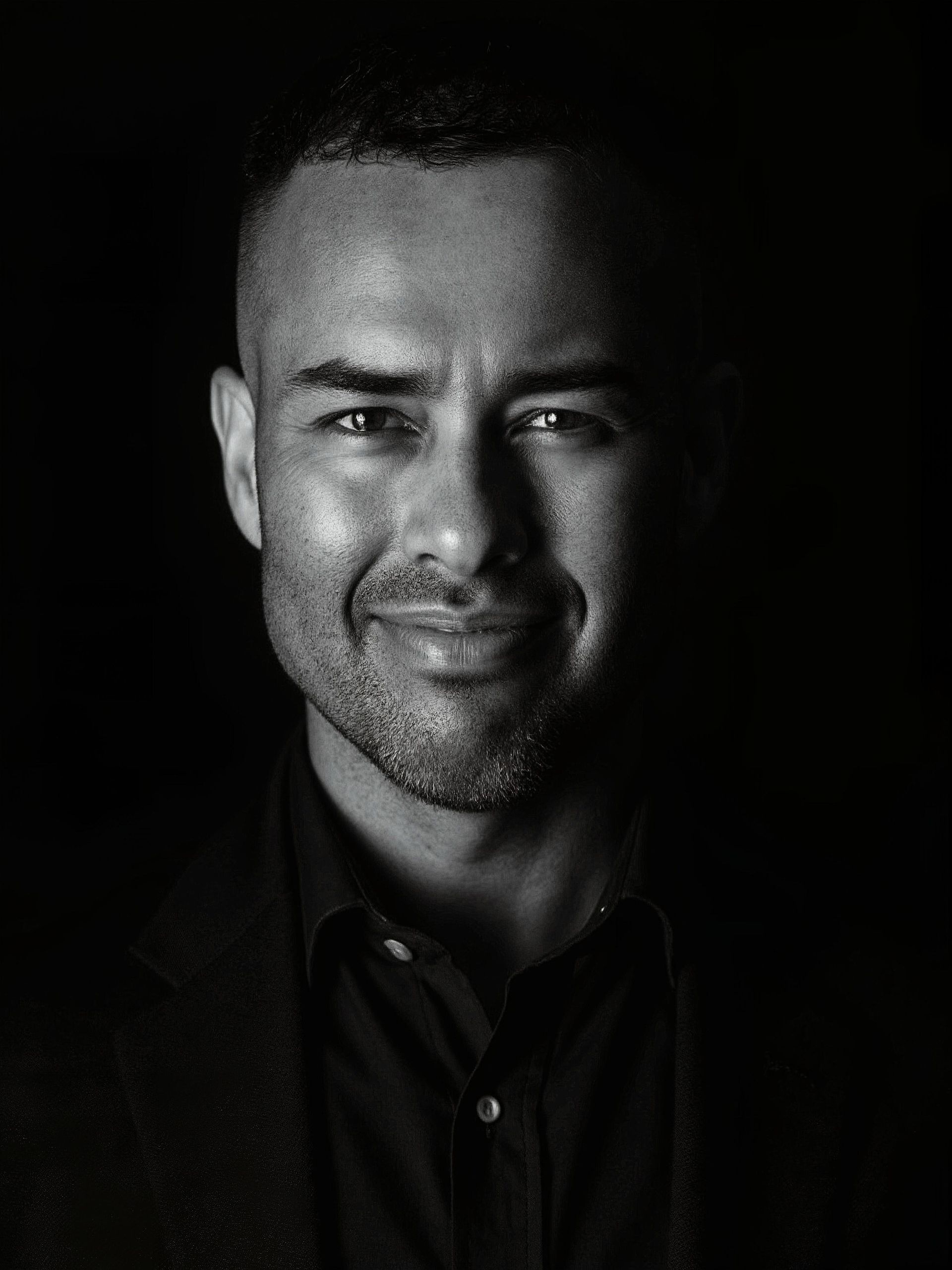
Hi, I’m Dr. Richard de la Garza
I specialize in liberation-rooted support for veterans, military-connected individuals and families, with a particular commitment to BIPOC and LGBTQ communities.