
Therapist in Escondido, CA | Trauma & PTSD
A city built on generations of agricultural roots and newer waves of growth asks a particular kind of resilience from the people leading families and businesses here. I work with leaders in Escondido who are ready to move past old survival habits and take real control of their life. Most clients are men managing trauma, PTSD, or anger that built up over years of steady responsibility, and this is equally an affirming space for BIPOC, LGBTQ, and neurodivergent clients who want a clinician who understands what it takes to hold a community together across generations.
From the historic downtown near Grand Avenue to the growth surrounding the San Diego Zoo Safari Park, from the wineries dotting the surrounding hills to the neighborhoods stretching toward San Marcos, Escondido carries the texture of a working town that has grown considerably without losing its roots. Many clients here are first generation leaders in their own families, building something new while still tending to what came before.
Being the one who builds something new while still carrying the expectations of an older generation is its own quiet weight, one this community understands well. Many clients arrive having tried counseling that never made room for that layered responsibility. As a bilingual, bicultural, neurodivergent clinician, I built this practice to meet that full context directly, treating your story as the starting point rather than something to work around.

Here’s what’s included

Step 1: Grounded Intake & Shared Mapping

We start with a collaborative session where we slow down together, map what is happening in your body and your life, and name the systems, histories, and pressures that have shaped how you respond. This is not a checkbox process. It is a dialogue where your story is treated as real knowledge, not a problem waiting to be fixed.

Step 2: Freirean Praxis Sessions (Reflection + Action)

In ongoing one on one sessions, we reflect critically on your patterns, triggers, and environments, then translate that insight into small, concrete actions that honor your values and your nervous system. You leave each session with one to three grounded practices to try, nothing overwhelming, just doable steps toward more dignity, choice, and ease.

Step 3: Integration, Reclaiming, and Future Alignment

We regularly pause to notice what is shifting: how you feel in your body, how your relationships and boundaries are changing, and what taking control of your life actually looks like now. Together we refine what is working and build a sustainable way of leading and living that stays aligned with your values long after the session ends.

My services and specializations


Leaders in Escondido often come to individual therapy after years of building something new while still carrying expectations passed down from an older generation. This work treats race, sexuality, and neurodivergence as real, relevant context rather than side details. Clients tend to notice clearer thinking, steadier relationships, and a genuine sense of agency returning to their days. Sessions are available virtually or in person throughout the area.

Trauma here often hides behind years of steady, dependable functioning, where emotional shutdown or a body stuck on alert can go unnoticed by everyone around a client. These patterns often persist quietly even while daily life looks entirely stable. Over time, clients tend to notice their nervous system settling and real presence returning. Sessions are offered virtually or in person, at a pace that feels sustainable.

Hypervigilance and disrupted sleep are often mistaken here for simply being a responsible, hard working person, when they are actually a nervous system stuck in an old pattern. Relief tends to come gradually, with reactions softening and genuine rest returning over time. Sessions prioritize pacing and safety over speed, offered virtually or in person.

Men in Escondido are often raised to provide steadily and never complain about the cost of it, and this work exists for the ones ready to set that expectation down. Underneath the reliability is often exhaustion or a quiet sense that something is not adding up. Sessions are offered virtually or in person for men throughout the community.

Generational and cultural expectations around intimacy can make disconnection or shame feel impossible to raise, even in an otherwise stable relationship. This work creates space for those patterns to be named without judgment, so communication and closeness have room to grow. Sessions explore what stress and self protection have shaped over time, offered virtually or in person.

Carrying responsibility for a family, a business, or both across generations tends to leave little room for anger to go anywhere healthy. This work builds real space between the trigger and the reaction, along with communication that protects relationships instead of straining them. Clients tend to notice steadier households over time. Sessions are offered virtually or in person with real accountability.

Veterans building second careers in a community like Escondido often carry discipline that no longer has a clear place to go, alongside identity questions the civilian world does not automatically answer. This work supports moving from a highly structured environment into one you now define yourself. Clients tend to find steadier footing and choices that feel genuinely their own. Sessions are available virtually or in person.

Organizations and leadership teams across Escondido, including military connected groups, reach out when their people are technically functioning but quietly struggling underneath. This consulting and speaking work builds clarity and psychological safety into teams carrying real generational and operational complexity. Engagements are offered in person locally or virtually.

I serve clients in this location

I work with leaders throughout Escondido and the surrounding North County inland communities, including San Marcos and Vista, offering both in person and virtual sessions built around real, layered responsibility. My approach stays grounded in the working, generational texture of this community.

“Richard’s work reflects both intellectual depth and genuine care. He brings clarity, discipline, and empathy to every role, making him an exceptional clinician and consultant.”

— Academic & Clinical Reference

“Richard combines clinical skill with deep leadership. He brings clarity, compassion, and structure to complex environments, empowering individuals and families to move forward with dignity and accountability.”

— Keith D. Washington, LCSW, DCSW

“Richard’s leadership in high-pressure military systems stood out immediately. His ability to balance clinical judgment, teamwork, and mission readiness makes him a trusted guide in complex, real-world settings.”

— Senior Military Supervisor

“What sets Richard apart is his ability to connect systems, people, and purpose. He leads with integrity, cultural awareness, and a deep respect for lived experience.”

— Community Mental Health Colleague

“Richard creates spaces where growth feels possible. His approach is thoughtful, structured, and human—especially for those navigating leadership, identity, and high-stakes environments.”

— Professional Peer

“Richard’s work reflects both intellectual depth and genuine care. He brings clarity, discipline, and empathy to every role, making him an exceptional clinician and consultant.”

— Academic & Clinical Reference

“Richard combines clinical skill with deep leadership. He brings clarity, compassion, and structure to complex environments, empowering individuals and families to move forward with dignity and accountability.”

— Keith D. Washington, LCSW, DCSW

Testimonials
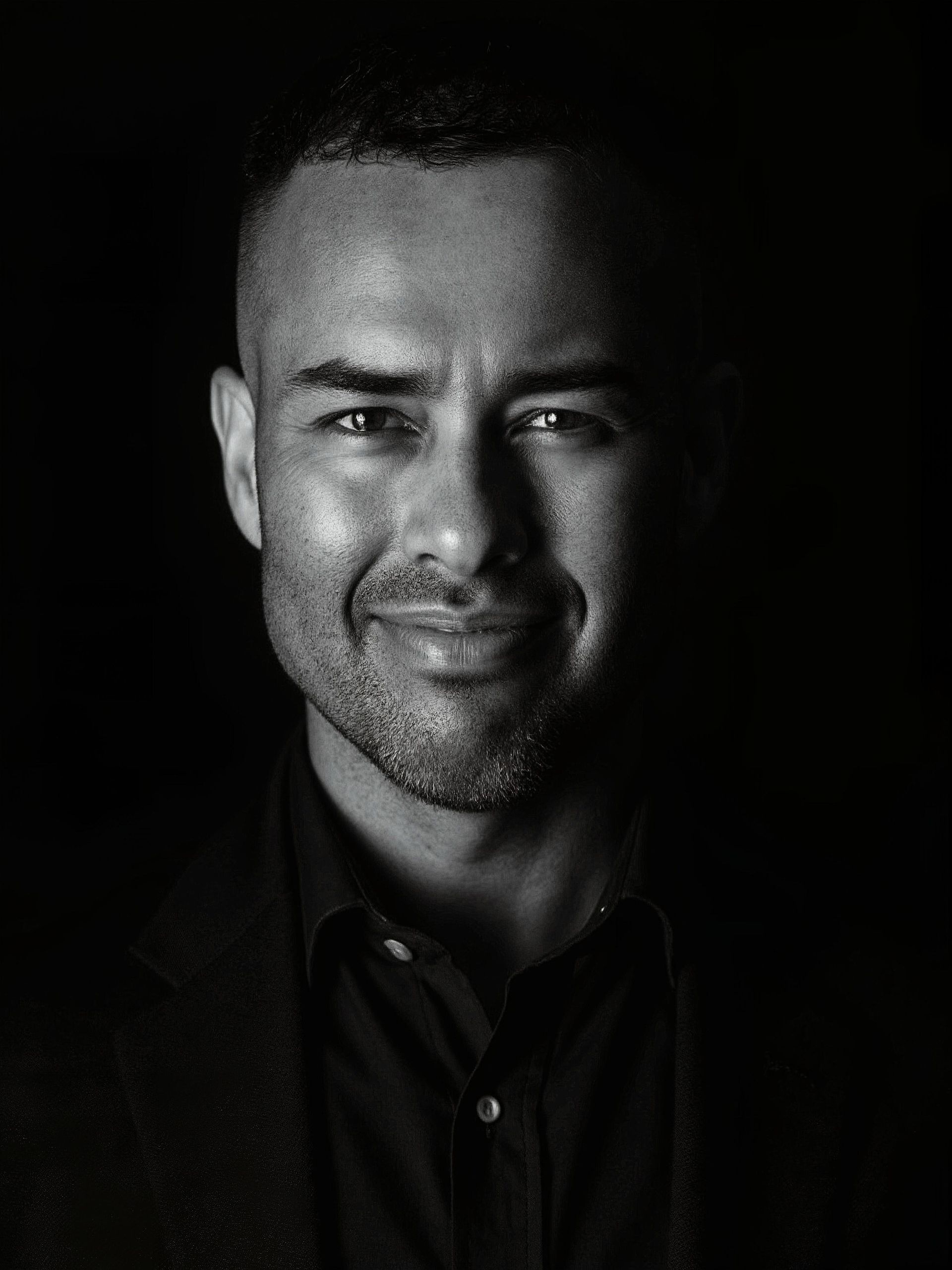
Portrait of a smiling man in dark clothing against a black background

I'm Richard De La Garza- LCSW, a trauma and PTSD therapist for leaders

I am a Licensed Clinical Social Worker, doctoral scholar, and U.S. Army veteran with more than twenty years across hospitals, community clinics, and federal systems. As a bilingual, bicultural, neurodivergent clinician, I bring that same understanding to the men, BIPOC, LGBTQ, and neurodivergent leaders building lives in Escondido. People don't just recover here. They rise.

Frequently Asked Questions

  • How does this work?

    We start with a complimentary 15‑minute consultation to see whether we’re a good fit and to answer any initial questions. If we decide to work together, we’ll schedule your first full session and complete intake forms through a secure online portal.


    In our sessions, we meet virtually (or in person if you’re in San Diego, CA and choose that option). We’ll slow down, map what’s going on in your life and body, and set goals together rather than imposing a one‑size‑fits‑all plan.


    I draw from several approaches—including cognitive behavioral therapy (CBT), trauma‑informed care, Eye Movement Desensitization and Reprocessing (EMDR), strength‑based and compassion‑based practices—while centering intersectionality and cultural context. That means we look not only at your thoughts, feelings, and behaviors, but also at how identity, history, and systems shape your experience. Each session is a mix of reflection and concrete practices, so you leave with 1–3 grounded steps to try between sessions.


    Therapy is typically weekly or bi‑weekly at first, and we’ll regularly check in about how it’s going, what’s shifting, and whether the frequency or focus needs to be adjusted.

  • Can I use insurance?

    I do not accept insurance at this time. All services are self‑pay, and payment is due at the time of service.


    Many clients choose to use HSA/FSA funds or speak with their insurance provider about any out‑of‑network benefits that might apply. I’m happy to answer questions about fees and payment so you can make an informed decision before beginning.


    You also have the right to receive a Good Faith Estimate of the expected costs of your services, in line with the No Surprises Act.

  • What technology do I need?

    Virtual sessions are held through a secure, HIPAA‑compliant video platform.


    You’ll need:


    • A stable internet connection
    • A smartphone, tablet, or computer with a camera and microphone
    • A private, quiet space where you feel comfortable speaking openly
    • Headphones or earbuds (recommended for privacy and sound quality)

    Before each session, you’ll receive a link by email; you simply click it at your appointment time—no special software is required beyond an up‑to‑date browser.

  • What happens if I need to cancel?

    Life happens, and sometimes you need to reschedule. I ask for at least 24 hours’ notice if you need to cancel or change an appointment.


    • Cancellations or reschedules made more than 24 hours in advance: no fee.
    • Cancellations, reschedules, or no‑shows within 24 hours of your appointment: you will be responsible for the full session fee.

    This policy helps protect the time I set aside for you and ensures that appointments are available for others who may be waiting. If you’re unsure whether you’ll be able to attend, please reach out as soon as you can so we can explore options.

  • Good Faith Estimate

    What is a Good Faith Estimate?


    If you are paying out of pocket (not using insurance), you have the right to receive a Good Faith Estimate (GFE) outlining the expected cost of your therapy.


    A Good Faith Estimate includes:


    • Describes the type of services we’re planning (for example, weekly 50-minute sessions)
    • Outlines the estimated total cost over a period of time (for example, 3–6 months)
    • Is provided in writing before we begin ongoing therapy

    This is an estimate, not a contract. If we adjust your treatment plan—such as meeting more or less often—I will update the estimate to reflect our new agreement.


    Under the No Surprises Act, if your actual charges are significantly higher than the estimate, you may have the right to dispute the bill. This law is designed to promote transparency, so you can make informed decisions about your care.